A major windstorm can change everything in a matter of minutes. One moment your home feels secure, and the next you’re dealing with missing shingles, fallen trees, scattered debris, and a long list of unknowns. It’s overwhelming—and for many homeowners, the hardest part isn’t just the damage itself, but figuring out what to do next.
The hours and days after wind damage are critical. Acting too quickly without a plan can lead to costly mistakes, but waiting too long can make the damage worse. The key is to move forward with a clear, practical approach that protects your safety, your home, and your finances.
This guide walks you through exactly what to do after major wind damage, step by step, so you can regain control and start the recovery process with confidence.
Ensure Immediate Safety Before Assessing Damage
Before you think about repairs, cleanup, or insurance, your first priority is safety. Wind damage often creates hidden hazards that aren’t immediately obvious.
Start by taking a slow walk through your home—but only if it’s safe to do so. Listen for unusual sounds like dripping water, hissing gas, or electrical buzzing. These are warning signs that something may be wrong behind the walls.
Electrical issues are especially dangerous after storms. Exposed wiring, damaged panels, or water intrusion can create serious fire risks. If anything looks off, it’s best to shut off power at the main breaker and have a qualified electrician inspect the system before turning it back on.
Water systems can also be compromised. Broken pipes or shifting foundations may cause leaks that worsen over time. If you notice low water pressure, damp walls, or unexplained pooling, contacting a plumbing contractor early can prevent a minor issue from becoming a major repair.
If there’s structural damage—such as sagging ceilings or cracked walls—it may be safest to leave the home entirely until professionals can evaluate the situation.
Perform a Careful Exterior Inspection From the Ground
Once you’ve confirmed it’s safe, step outside and take a close look at your property. The goal here isn’t to fix anything yet—it’s to understand what you’re dealing with.
Walk around the perimeter and observe the roofline. Look for:
- Missing or curled shingles
- Debris is lodged on the roof
- Bent or detached gutters
- Uneven or sagging sections
It’s tempting to climb up and get a better look, but that’s one of the most common mistakes homeowners make. After wind damage, roofs can be unstable, and even a small misstep can lead to injury.
Instead, document what you can from the ground using your phone. Take clear photos from multiple angles. These will be useful later for insurance claims and contractor assessments.
At this stage, it’s wise to involve a local roofer who understands how wind affects homes in your area. They can often spot subtle damage—like lifted shingles or compromised flashing—that isn’t visible from below. If the damage appears significant, a roofing contractor can perform a more detailed inspection and outline the next steps for repair.
Remove Immediate Hazards Around Your Property
After a storm, your yard can become a danger zone. Fallen branches, leaning trees, and scattered debris aren’t just unsightly—they can cause additional damage if left unaddressed.
Take a moment to identify anything that could shift or fall. A partially uprooted tree, for example, might look stable but could collapse with the next gust of wind.
This is where professional help becomes essential. Tree services have the equipment and expertise to safely handle unstable or damaged trees. Attempting to cut or remove them yourself can be extremely risky, especially if they’re entangled with power lines or structures.
In more severe cases, immediate tree removal may be necessary to prevent further harm to your home. Clearing these hazards early also makes it easier for inspectors, adjusters, and repair crews to access your property.
Even smaller debris should be addressed thoughtfully. Piles of branches or materials can attract pests or create tripping hazards if left unattended.
Prevent Additional Water Damage as Soon as Possible
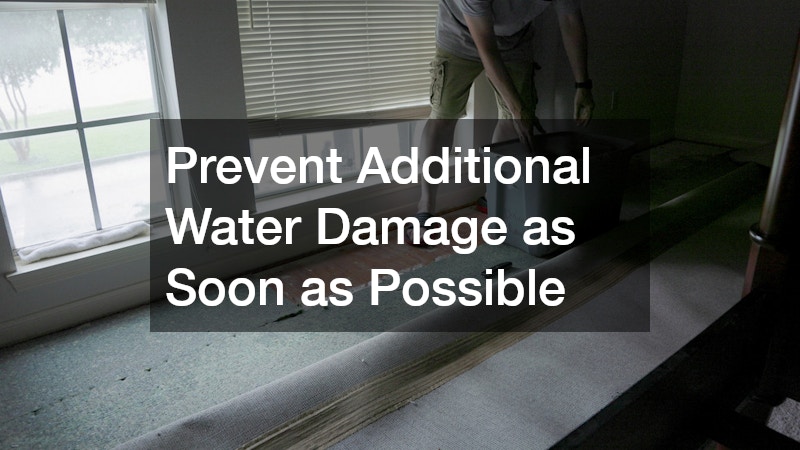
Wind damage often exposes your home to one of its biggest threats: water. Even a small opening in the roof or siding can allow moisture to seep in, leading to mold, rot, and structural deterioration.
The key is to act quickly—but carefully.
If you notice exposed areas, temporary measures like tarping can help keep rain out until permanent repairs are made. Focus on covering the most vulnerable spots first, such as roof openings or broken windows. If you’re unsure how to secure a tarp safely, many contractors offer emergency services specifically for this situation.
At ground level, inspect your yard for drainage issues. Storms can disrupt irrigation systems or shift soil in ways that direct water toward your home instead of away from it. A local irrigation company can assess whether your system is still functioning properly and help prevent water from pooling near your foundation.
Fencing is another often-overlooked area. Damaged sections can create gaps that allow debris—or even animals—onto your property. A fence contractor can stabilize or repair these areas, restoring both security and structure. Taking care of these exterior vulnerabilities early can save thousands in future repairs.
Protect Your Property From Secondary Damage
The initial storm may be over, but the risk isn’t. In the days that follow, secondary damage can quietly take hold if you don’t address the aftermath properly.
Debris is one of the biggest contributors. Wet materials, broken wood, and organic matter can quickly become breeding grounds for mold and pests. Left alone, these issues can spread into your home and create long-term health concerns.
A practical solution many homeowners overlook is using a roll off dumpster rental. Having a designated place to dispose of debris keeps your property organized and reduces the temptation to pile materials in corners of the yard. It also speeds up the cleanup process, especially when multiple types of waste are involved.
As cleanup progresses, you may find that certain items—like large branches or damaged landscaping—require additional support. Coordinating with tree services can streamline this process, ensuring everything is removed safely and efficiently.
Think of this stage as damage control. You’re not restoring everything yet—you’re simply preventing the situation from getting worse.
Document All Damage for Insurance Claims
When it comes to insurance, documentation is everything. The more thorough you are now, the smoother your claim process will be later.
Start by creating a visual record. Walk through your home and property, taking photos and videos of every affected area. Don’t just focus on the obvious damage—capture details like water stains, cracked surfaces, and displaced materials.
Next, begin a written inventory. List damaged items, approximate values, and any relevant details you can recall. This doesn’t need to be perfect, but it should be comprehensive.
Professional assessments can strengthen your claim significantly. For example, a roofing contractor can provide a detailed report outlining the extent of roof damage, while a plumbing contractor can document issues related to leaks or system disruptions.
It’s also helpful to keep a simple timeline of events—when the storm occurred, when you noticed damage, and when you took action. Insurance adjusters often look for clear sequences, and this small step can help avoid unnecessary delays.
Clean and Sanitize Affected Areas Thoroughly

Once the immediate risks are under control, it’s time to address cleanliness. Storm damage often leaves behind dirt, bacteria, and contaminants that can affect both your home and your health.
Start with the most impacted areas. Remove wet materials, wipe down surfaces, and allow spaces to dry thoroughly. Ventilation is key—open windows where possible and use fans to improve airflow.
For exterior surfaces, power washing can be an effective way to remove grime, mold, and debris. It’s particularly useful for siding, driveways, and patios that have been exposed to storm conditions. However, it’s important to use the correct pressure settings to avoid damaging softer materials like wood or vinyl.
Be mindful of what you’re discarding during this process. Contaminated materials should be removed promptly, and having access to a roll off dumpster rental can make this step far more manageable.
Cleaning after a storm isn’t just cosmetic—it’s a crucial step in protecting your home’s structure and your family’s health.
Schedule Professional Repairs in the Right Order
Repairs after wind damage aren’t just about fixing what’s broken—they’re about doing it in the right sequence.
Start with the roof. Even minor issues can allow water intrusion, so addressing them early is critical. A local roofer can prioritize repairs based on severity, helping you avoid unnecessary delays.
Next, focus on systems inside the home. Electrical work should always be handled by a licensed electrician, especially if there’s any chance of water exposure. Restoring these systems safely ensures your home is functional again without introducing new risks.
From there, move on to structural and cosmetic repairs. Walls, flooring, and finishes can be addressed once the core systems are stable. Trying to paint or replace flooring before fixing leaks, for example, will only lead to rework later.
Spacing out repairs thoughtfully can also help financially. Instead of tackling everything at once, you can phase projects in a way that aligns with insurance payouts and your budget.
Reinforce Your Home Against Future Wind Damage
Once repairs are underway, it’s worth thinking about the future. Wind damage is unpredictable, but there are steps you can take to reduce your home’s vulnerability.
Upgrading your roof is one of the most effective measures. A roofing contractor can recommend materials designed to withstand higher wind speeds, offering better long-term protection.
Fencing can also play a role. Reinforced structures are less likely to collapse during storms, helping contain debris and protect your property. A fence contractor can suggest designs that balance durability with aesthetics.
You might also consider trimming trees regularly, securing outdoor furniture, and reinforcing entry points like garage doors. These smaller improvements often make a bigger difference than homeowners expect.
Preparedness doesn’t eliminate risk—but it gives you a clear advantage the next time severe weather hits.
Know When to Call in a Full Team of Professionals

Some situations go beyond what a single contractor can handle. When wind damage affects multiple systems—roofing, landscaping, utilities—it often requires a coordinated effort.
You might find yourself working with several specialists at once. For example, a local irrigation company may need to restore damaged systems in your yard, while tree removal crews clear out large hazards that threaten your home.
The key is coordination. Communicate clearly with each professional, share documentation, and ensure everyone understands the scope of the project.
In more complex cases, a general contractor or project manager can help oversee the process, keeping everything on track and reducing stress on your end. This can be especially helpful if you’re juggling insurance claims, temporary housing, and repair timelines all at once.
Moving Forward After the Storm
Recovering from major wind damage is rarely a quick or simple process. Even after the debris is cleared and repairs begin, there’s often a lingering sense of disruption. Your routines may be off, your space may not feel quite like home yet, and decisions can feel heavier than usual.
What helps most in this stage is perspective and pacing. You don’t have to solve everything at once. Focus on steady progress—one repair, one improvement, one step forward at a time. Over time, those small actions rebuild not just your home, but your sense of normalcy.
It’s also worth reflecting on what you’ve learned. Many homeowners come out of situations like this with a deeper understanding of their property—how water flows around it, how wind affects certain areas, and which parts of the home are most vulnerable. That knowledge becomes incredibly valuable moving forward.
You might find yourself making changes you hadn’t considered before. Maybe it’s upgrading materials, adjusting landscaping, or simply having a clearer emergency plan in place. These decisions aren’t just reactive—they’re investments in long-term resilience.
And perhaps most importantly, remember that you don’t have to handle everything alone. Leaning on experienced professionals, asking questions, and taking your time to make informed choices can make the entire process feel more manageable.
Storm damage can be stressful, but it also presents an opportunity—to rebuild stronger, plan smarter, and feel more prepared for whatever comes next.