Highlights:
- Older homes often come with layered repair needs, so the most important first step is identifying and fixing safety and structural issues before anything cosmetic.
- A detailed inspection of the roof, foundation, electrical, plumbing, and exterior helps uncover hidden problems and prevents costly surprises later in the remodeling process.
- Building a realistic budget with clearly defined categories and a 15–20% contingency fund is essential for managing unexpected repairs in aging homes.
- Phased remodeling is one of the most effective strategies, allowing homeowners to stabilize the home first, then improve efficiency, living spaces, and finally aesthetics over time.
- Strategic spending matters: invest more in critical systems like roofing, plumbing, electrical, and insulation while saving on materials where possible without sacrificing durability.
- Reusing original features such as hardwood floors, doors, and trim can significantly reduce costs while preserving the character and value of the home.
- Major renovations should be prioritized based on long-term value, and in some cases, a full remodel becomes more practical when multiple systems and areas require extensive work at once.
Owning an older home can be incredibly rewarding. Mature trees, solid craftsmanship, unique architectural details, and established neighborhoods are just a few reasons people fall in love with vintage properties. But with charm often comes a long list of repairs. Aging roofs, outdated plumbing, drafty windows, and worn-out electrical systems can quickly turn your dream home into a major project.
The good news is that you do not need an unlimited budget to tackle these issues. With careful planning, smart priorities, and cost-conscious decisions, you can repair and remodel your home without draining your savings. Whether you are recovering from storm damage or addressing years of wear and tear, there are practical ways to make meaningful improvements while keeping costs under control.
This guide walks through how to assess repairs, prioritize projects, save money, and create a safer, more comfortable home that meets your needs today and in the future.
Why Older Homes Often Need More Extensive Repairs
Homes built decades ago were constructed with materials and methods that can last a long time, but nothing lasts forever. Many critical systems begin to fail after years of use.
Common issues in older homes include:
- Roof leaks and deteriorating shingles
- Outdated electrical wiring
- Corroded plumbing pipes
- Foundation cracks
- Poor insulation
- Drafty doors and windows
- Rotting siding and trim
- Water damage and mold
- Inefficient heating and cooling systems
When several of these problems appear at once, remodeling can feel overwhelming. Breaking the process into manageable steps makes it easier to stay in control.
What Should You Repair First?
When you are remodeling an older home on a limited budget, the smartest approach is to focus on the repairs that protect the structure and keep your family safe. Cosmetic updates can always wait, but problems involving water, electricity, and structural movement tend to worsen quickly if ignored. A small roof leak can turn into rotten framing, and a minor plumbing drip can lead to mold hidden behind walls.
Think of these early repairs as the foundation of your entire remodeling plan. Once these major concerns are addressed, you can confidently move on to efficiency upgrades and design improvements without worrying that hidden issues will undo your hard work.
Highest-Priority Repairs
Address these items before cosmetic upgrades:
- Roof leaks
- Foundation problems
- Electrical hazards
- Plumbing leaks
- Mold and moisture issues
- HVAC failures
- Damaged windows and doors
These repairs protect the home from further deterioration and create a stable foundation for future improvements. They also reduce the chance that you will need to tear out newly installed flooring, cabinets, or drywall to fix an underlying problem later.
How to Inspect Your Home Without Missing Major Problems
A thorough inspection helps you understand what needs immediate attention and what can wait. Walking through your home with a notebook and taking photos can help you build a clear repair checklist. Start outside, then work room by room inside the house.
If possible, inspect during or shortly after heavy rain. Water stains, drainage issues, and leaks are often easier to spot when conditions are wet. Pay close attention to any signs of movement, moisture, or unusual wear.
Areas to Evaluate
Roof and Attic
The roof is your home’s first defense against the weather. Problems in the attic often reveal hidden roofing issues before they become major leaks.
Look for:
- Missing shingles
- Water stains
- Sagging areas
- Wet insulation
- Signs of mold
Foundation and Basement
Foundation issues can affect every part of the home, from cracked walls to sticking doors and sloping floors.
Check for:
- Horizontal cracks
- Uneven floors
- Water seepage
- Bowing walls
Electrical System
Older wiring may not be able to safely handle today’s appliances and electronics.
Watch for:
- Flickering lights
- Warm outlets
- Frequent breaker trips
- Two-prong outlets
Plumbing
Aging pipes can corrode from the inside out, causing poor water quality and hidden leaks.
Inspect for:
- Low water pressure
- Rust-colored water
- Leaking pipes
- Slow drains
Exterior
The outside of the home often reveals where water is getting in.
Look for:
- Rotten siding
- Cracked caulking
- Peeling paint
- Damaged gutters
Hiring a professional inspector can be money well spent, especially if the home has not been thoroughly evaluated in years. An expert may identify issues that are not obvious to the average homeowner, allowing you to prioritize repairs more accurately.
How to Build a Realistic Remodeling Budget
A clear budget prevents overspending and helps you focus on the most important repairs. Before contacting contractors, decide how much you can comfortably spend and which projects are absolutely necessary. Separate “must-have” repairs from “nice-to-have” upgrades so your money goes where it matters most.
It also helps to gather rough estimates for each project category. Even ballpark numbers can show whether your goals align with your available funds.
Basic Budget Categories
Include costs for:
- Structural repairs
- Roofing
- Plumbing
- Electrical
- HVAC
- Insulation
- Windows and doors
- Interior finishes
- Permits
- Contingency fund
Tracking each category individually makes it easier to adjust your plan if one area comes in over budget.
Set Aside an Emergency Reserve
Older homes often reveal hidden issues after walls are opened. You may uncover termite damage, outdated wiring, or plumbing that must be replaced immediately. Without a contingency fund, these surprises can bring the project to a halt.
Reserve 15 to 20 percent of your budget for unexpected expenses.
For example:
- Planned budget: $20,000
- Contingency reserve: $3,000 to $4,000
- Total target budget: $23,000 to $24,000
This reserve provides flexibility and helps you make informed decisions without financial panic.
Can You Remodel in Phases?
Absolutely. In fact, phased remodeling is one of the best strategies for managing costs in older homes. Instead of trying to complete every project at once, you tackle repairs in a logical order based on urgency and available funds.
This approach allows you to spread expenses over several months or years while still making steady progress.
Phase 1: Stabilize the Home
Focus on preventing additional damage and addressing major safety concerns.
- Repair roof leaks
- Fix structural issues
- Stop water intrusion
- Upgrade dangerous wiring
Phase 2: Improve Efficiency
Reduce energy waste and improve comfort.
- Add insulation
- Seal air leaks
- Replace windows
- Service HVAC
Phase 3: Update Key Living Areas
Once the home is sound and efficient, improve the rooms you use every day.
- Kitchen improvements
- Bathroom renovations
- Flooring replacement
Phase 4: Cosmetic Upgrades
Finish with design updates that enhance appearance and functionality.
- Painting
- Lighting
- Trim and fixtures
This phased strategy spreads costs over time and ensures essential work is completed before cosmetic upgrades.
How to Save Money on Materials
Material choices have a significant impact on your budget. In many remodels, selecting cost-effective alternatives can save thousands of dollars without sacrificing performance or appearance.
The key is to spend strategically. Some materials are worth investing in because they protect the home, while others can be chosen based on value and durability rather than premium branding.
Smart Cost-Saving Strategies
Use these techniques to reduce material costs:
- Compare prices from multiple suppliers
- Use stock cabinets instead of custom units
- Choose luxury vinyl flooring over hardwood
- Refinish instead of replace where possible
- Shop for clearance items
- Buy surplus or gently used materials
Architectural salvage stores, online marketplaces, and home improvement outlets can be excellent sources for quality materials at reduced prices.
Where to Splurge
Spend more on products that affect durability and long-term performance:
- Roofing materials
- Plumbing components
- Electrical equipment
- Waterproofing systems
- Insulation
High-quality materials in these categories often reduce maintenance costs and extend the life of your renovation.
Which Projects Offer the Best Return?
Not every renovation adds equal value. If you need to choose between projects, prioritize those that improve safety, energy efficiency, and everyday functionality.
Buyers and appraisers tend to place the most value on improvements that address major systems and reduce future maintenance concerns.
High-Value Improvements
- Roof replacement
- Kitchen refresh
- Bathroom updates
- Energy-efficient windows
- Exterior improvements
- Insulation upgrades
When you upgrade an older home for modern living, balancing functionality and cost is often the best path to long-term value. Improvements that lower utility bills and reduce repair needs can pay off both financially and practically.
Is DIY Worth It?
Doing some work yourself can significantly reduce labor costs, especially on straightforward tasks that do not involve building codes or specialized equipment. However, DIY is only worthwhile when you have the time, tools, and confidence to complete the work properly.
Poor workmanship can create additional costs if professionals need to correct mistakes.
Good DIY Projects
These tasks are often manageable for homeowners:
- Painting
- Demolition
- Landscaping
- Installing hardware
- Caulking and weatherstripping
Projects Best Left to Professionals
These repairs require expertise and may involve safety risks or permits:
- Roofing
- Electrical work
- Plumbing
- Foundation repairs
- Gas line work
Mistakes in these areas can be expensive and dangerous, so it is usually more cost-effective to hire experienced professionals from the start.
What to Know About Roof Repairs
The roof is one of the most important components of any older home. If it is failing, delaying repairs can lead to damaged insulation, stained ceilings, mold growth, and even structural rot. Because water spreads quickly, addressing roof issues early can prevent some of the most expensive repairs a homeowner faces.
Even if your roof does not need full replacement, regular maintenance and targeted repairs can extend its service life.
Signs Your Roof Needs Attention
Watch for these warning signs:
- Missing shingles
- Granules in gutters
- Leaks in the attic
- Soft spots
- Sagging sections
If replacement is not immediately necessary, restoring your roof can extend its lifespan and help prevent water intrusion while you save for a larger project.
Ways to Reduce Roofing Costs
Use these strategies to keep roofing expenses manageable:
- Obtain multiple estimates
- Schedule work during slower seasons
- Repair sections if the overall roof is sound
- Verify warranty details
You should also ask contractors whether insurance may cover storm-related damage, which can substantially reduce your out-of-pocket costs.
How to Handle Outdated Plumbing
Older homes may contain galvanized steel, cast iron, or other aging materials that corrode over time. These systems can reduce water pressure, discolor water, and eventually fail behind walls or under floors.
If a complete repipe is beyond your budget, you can address the most problematic sections first while planning for future upgrades.
Cost-Effective Plumbing Solutions
- Repair isolated leaks
- Replace only failing sections
- Upgrade fixtures gradually
- Install water-saving devices
If pipes are severely corroded, a full repipe may be the most practical long-term investment because it reduces the risk of repeated leaks and water damage.
What Permits Might Be Required?
Many structural and system upgrades require permits.
Projects commonly requiring permits include:
- Roof replacement
- Electrical upgrades
- Plumbing changes
- HVAC installation
- Structural modifications
Permits help ensure work complies with local building codes.
How to Reuse Existing Features
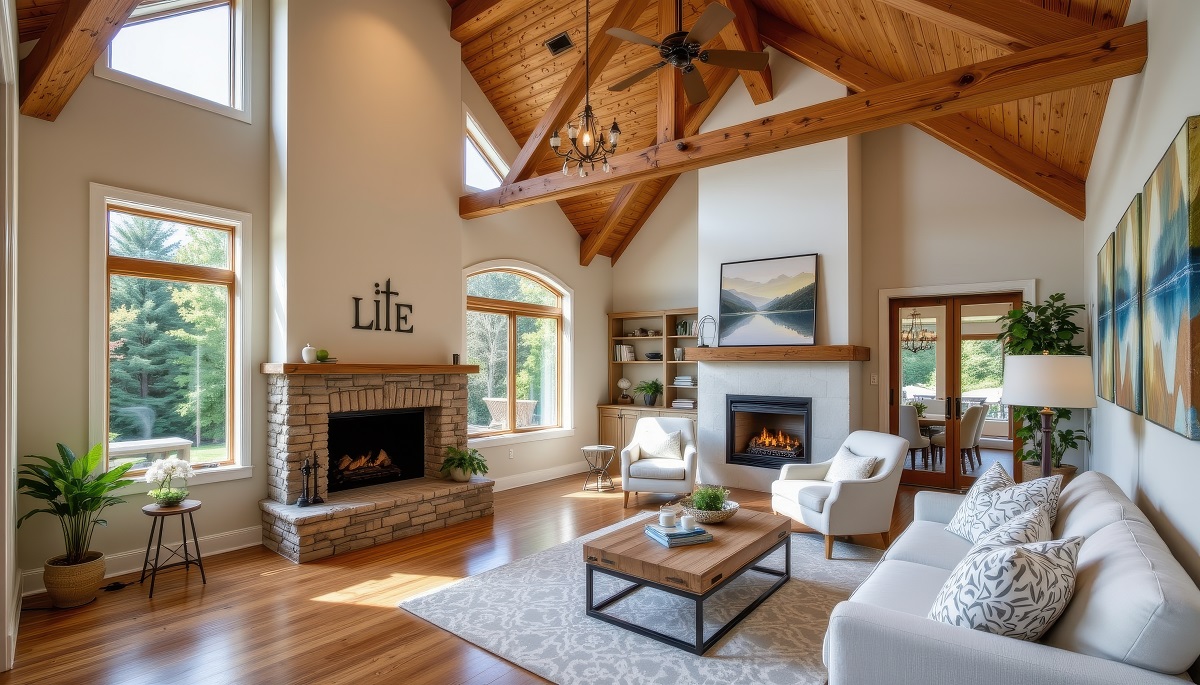
Keeping original materials can preserve the character of an older home while significantly reducing remodeling costs. Many vintage homes were built with high-quality materials that are difficult and expensive to replicate today. Solid wood doors, detailed trim, and hardwood floors often only need cleaning, repairs, and refinishing to look beautiful again.
Reusing what you already have also helps maintain the architectural style that made you fall in love with the home in the first place. Instead of spending thousands on replacements, you can direct your budget toward structural repairs, energy efficiency upgrades, and other improvements that have a bigger impact.
Features Worth Saving
Look closely at these original elements before deciding to replace them:
- Hardwood floors
- Solid wood doors
- Built-in cabinetry
- Trim and molding
- Brick fireplaces
These features can often be restored through sanding, painting, staining, or minor carpentry work. Even when they show signs of wear, they are usually more durable than many modern alternatives.
Restoration is often less expensive than replacing high-quality original components. It can also increase your home’s charm, authenticity, and resale appeal.
Which Exterior Repairs Matter Most?
The exterior protects the entire home from weather and moisture. When the outside shell is compromised, water can penetrate walls, damage insulation, and lead to rot, mold, and structural deterioration. For this reason, exterior repairs should be among the highest priorities in any budget remodel.
A well-maintained exterior also improves energy efficiency and curb appeal. Sealing gaps and repairing damaged surfaces can make the home more comfortable while reducing future maintenance costs.
Priority Exterior Projects
Focus on these repairs first:
- Roofing
- Siding repair
- Gutter replacement
- Window sealing
- Porch stabilization
Roofing and gutters direct water away from the home, while siding and window sealing prevent moisture intrusion. Porch repairs are also important because deteriorated supports can create safety hazards.
These improvements enhance curb appeal while preventing further damage and protecting the investment you are making inside the home.
How to Finance a Budget Remodel
Several funding options may help cover major repairs, especially when structural issues or system upgrades exceed what you can comfortably pay from savings. The best financing method depends on your equity, credit profile, and how quickly the repairs need to be completed.
Before borrowing, compare interest rates, fees, and repayment terms. Be sure that monthly payments fit within your budget so the project improves your home without creating financial strain.
Common Financing Methods
Homeowners often use one or more of the following:
- Savings
- Home equity loans
- Home equity lines of credit
- Cash-out refinancing
- Insurance proceeds for covered damage
Savings is usually the least expensive option because it avoids interest costs. Home equity products can provide access to larger amounts of money at relatively favorable rates, while insurance proceeds may cover storm-related or accidental damage.
Choose financing terms that fit your long-term budget and goals. Borrowing strategically can help you complete urgent repairs now while preserving cash for future projects.
What Improvements Add Comfort Right Away?
Some upgrades provide immediate benefits without requiring a major renovation. These smaller improvements can make your home feel warmer in winter, cooler in summer, quieter, and more convenient to live in every day.
Comfort-focused projects are especially valuable after completing major repairs. They help you enjoy the results of your remodeling efforts while keeping spending under control.
Quick Comfort Upgrades
Consider these affordable improvements:
- Better insulation
- New lighting
- Ceiling fans
- Quiet bathroom exhaust fans
- Soft-close hardware
- Smart thermostats
Insulation and thermostats improve temperature control, while lighting and ceiling fans enhance the feel and functionality of each room. Soft-close hardware and quieter ventilation systems add subtle but noticeable convenience.
These improvements make daily living more enjoyable while keeping costs manageable. Even modest upgrades can significantly improve how your older home looks, feels, and performs.
How to Create a Long-Term Remodeling Plan
Sample Multi-Year Plan
Year 1
- Roof repairs
- Electrical safety updates
- Leak repairs
Year 2
- Insulation and air sealing
- Window repairs
- HVAC tune-up
Year 3
- Kitchen and bathroom updates
Year 4
- Exterior improvements and landscaping
How to Balance Character With Modern Needs
One of the greatest advantages of owning an older home is its personality. Features such as detailed woodwork, original floors, and built-in cabinetry add warmth and craftsmanship that are difficult to replicate in newer construction. At the same time, these homes were built for a different era and often need updates to support modern lifestyles.
The goal is to preserve the elements that give the home its unique charm while improving the systems and features that affect comfort, safety, and convenience. This approach allows you to enjoy the best of both worlds: timeless character and modern functionality.
Keep
Whenever possible, preserve original features that are structurally sound and still useful:
- Original trim
- Wood floors
- Historic doors
- Built-ins
These details can often be restored through refinishing, repairs, or fresh paint. Keeping them not only saves money but also maintains the architectural integrity of the home.
Modernize
Update systems and features that directly impact performance and everyday living:
- Wiring
- Plumbing
- Insulation
- Lighting
- Storage
Modern electrical and plumbing systems improve safety and reliability. Better insulation and lighting increase comfort and efficiency, while added storage helps older homes function more like contemporary spaces.
By combining restoration with strategic upgrades, you can create a home that retains its historic appeal while meeting today’s expectations for comfort and convenience.
When Is a Full Remodel Worth It?
Sometimes the cost of addressing problems one by one becomes nearly as expensive as completing a larger renovation all at once. If your home has widespread structural issues, outdated systems, and an inefficient layout, a comprehensive remodel may be the most practical and cost-effective solution.
A full remodel can also reduce disruption. Instead of living through years of recurring construction projects, you complete the major work in a coordinated plan and move forward with a more functional home.
A Larger Remodel May Make Sense When:
- Multiple systems are failing simultaneously
- Layout changes are needed
- Structural repairs are extensive
- You plan to stay for many years
For example, if the roof, plumbing, electrical system, and kitchen all need significant work, combining these projects may save money on labor, permits, and scheduling. Contractors can coordinate tasks more efficiently when they are part of one overall renovation.
A full remodel can be more efficient if coordinated properly, but it requires careful budgeting and planning. Before moving forward, compare the total cost of phased repairs with the cost of a comprehensive renovation to determine which approach offers the best long-term value.
Final Thoughts
Learning how to remodel on a budget when your older home needs major repairs starts with identifying priorities and making thoughtful decisions. Focus first on structural integrity, safety, and moisture control. Then tackle energy efficiency and functional updates before moving on to cosmetic improvements.
By phasing projects, choosing durable materials, preserving original features, and handling selected tasks yourself, you can transform an aging home into a safer, more comfortable space without overspending. With patience and a solid plan, even a home with significant repair needs can become a beautiful and practical place to live for years to come.