
Building a Stronger Home From the Top Down
A home’s uppermost protective layer is easy to overlook because most of it cannot be seen from the ground. Yet it is constantly exposed to sunlight, wind, rain, snow, falling branches, temperature changes, and airborne debris. Even durable materials gradually weaken under these conditions. Without routine care, small defects can allow moisture to enter the home and damage ceilings, walls, framing, electrical systems, and personal belongings.
Preventive maintenance is generally more manageable than repairing widespread damage. A loose piece of flashing, clogged drainage channel, or small opening around a vent may appear minor, but water can travel far from its entry point. By the time a stain appears indoors, moisture may have already affected wood, drywall, or insulation.
Regular care gives homeowners the opportunity to identify changes early, plan repairs, and avoid emergency decisions. It also supports energy efficiency, indoor comfort, structural stability, and long-term property value. The following steps explain how homeowners can monitor vulnerable areas, reduce avoidable damage, and make informed decisions throughout the life of their home.
Recognize Early Warning Signs Before Damage Spreads
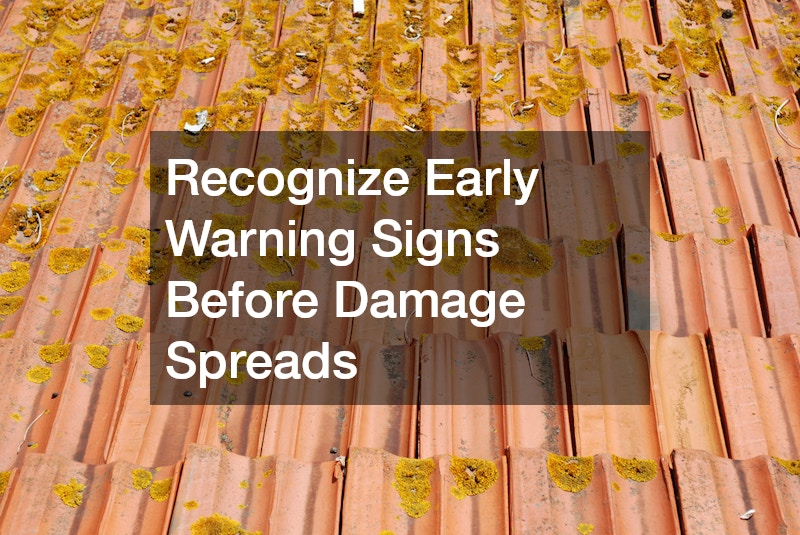
Homeowners do not need to climb onto the structure to notice many early warning signs. A careful inspection from the ground can reveal loose, missing, buckled, or uneven materials. Binoculars can make it easier to examine edges, valleys, ridges, vents, and other vulnerable areas without taking unnecessary risks. Changes should be documented with dated photographs so homeowners can determine whether damage is spreading.
Indoor warning signs are equally important. Brown ceiling marks, peeling paint, bubbling drywall, musty odors, and unexplained attic moisture may indicate water intrusion. Damp wood or darkened framing should never be ignored. Moisture can encourage mold growth and weaken structural materials even when the visible stain appears small.
Homeowners should also pay attention to sudden increases in heating or cooling costs. Escaping air, damp thermal materials, or poor ventilation can make temperature control more difficult. When symptoms appear in multiple areas, professional roofing services can help locate the source and determine whether the issue is isolated or widespread.
Qualified roofers can inspect surfaces that are difficult to see from the ground, including flashing joints and penetrations. Scheduling an evaluation after major storms, falling debris, or visible interior leakage can prevent minor damage from reaching deeper parts of the home.
Inspect Roofing Materials Throughout the Year
Seasonal inspections help homeowners understand how exterior materials are aging. In spring, the surface should be checked for damage caused by winter weather. In fall, homeowners should look for issues that could worsen during colder months. Additional inspections may be necessary after hail, high winds, heavy rain, or extreme temperature changes.
Asphalt shingle roofs often show deterioration through cracking, curling, lifting, blistering, or missing surface granules. Granules protect the underlying material from ultraviolet exposure and weather. A small amount in a gutter may be normal, particularly after installation, but heavy or repeated accumulation can indicate advanced wear.
A shingle roof should also be checked for uneven coloring and exposed areas. Dark patches may suggest missing granules, while raised sections can allow wind-driven rain underneath. Homeowners should examine valleys carefully because they carry significant amounts of water. Damage in these areas can lead to leaks even when the rest of the surface appears sound.
Flashing deserves close attention as well. It is commonly installed around chimneys, skylights, walls, vents, and valleys to direct water away from openings. Bent, rusted, loose, or separated flashing may create a direct path into the home. Sealants around penetrations should also be monitored because they can crack or shrink over time.
Keep Drainage Systems Flowing Properly

A well-maintained drainage system moves water away from exterior surfaces, siding, and the foundation. When gutters fill with leaves, twigs, seed pods, and dirt, water can overflow or collect along the lower edge. Prolonged moisture may damage fascia boards, soffits, exterior walls, and landscaping. It can also enter beneath surface materials and affect the underlying deck.
Gutters should generally be inspected in spring and fall, although homes surrounded by trees may require more frequent cleaning. Downspouts must remain open and should discharge water several feet from the foundation. Loose gutter sections, failed seams, and incorrect slopes should be corrected before the next period of heavy rain.
Experienced roofing contractors can evaluate whether drainage components are securely attached and properly positioned. They can also identify sections where water is flowing backward, collecting in valleys, or spilling behind gutters. Correcting these problems reduces the risk of rot and moisture intrusion.
Attic conditions also influence drainage-related damage. Adequate insulation helps maintain stable indoor temperatures and reduces heat transfer into the attic. During cold weather, excessive attic heat can melt snow unevenly. Water may then refreeze near colder edges, creating barriers that force moisture underneath exterior materials.
Ventilation works alongside thermal protection by allowing warm, humid air to escape. Blocked intake vents, inadequate exhaust vents, or compressed materials near the eaves can disturb this balance. Homeowners should keep ventilation openings clear and have the attic evaluated when condensation, frost, or damp wood appears.
Address Minor Problems Before They Become Major Repairs
Small defects rarely remain unchanged. A loose fastener can allow a panel or piece of flashing to move. A minor crack can widen during freeze-and-thaw cycles. A single missing piece can expose nearby materials to wind and water. Prompt action limits how far the damage can travel.
Minor repairs may include replacing damaged surface materials, securing loose flashing, resealing specific penetrations, or repairing a small section of underlayment. However, surface patches should not be treated as permanent solutions when moisture has already affected the deck or framing. The visible opening may be only one part of the problem.
A professional roofing estimate should explain the condition of the affected area, the proposed work, the materials being used, and any related damage that may require attention. Homeowners should compare the scope of work rather than looking only at the total amount. A lower proposal may exclude necessary repairs, disposal, ventilation improvements, or warranty coverage.
When damage is extensive, roofing replacement may provide better long-term value than repeatedly repairing separate areas. Warning signs include widespread deterioration, recurring leaks, significant storm damage, soft decking, and multiple failed repairs. Planning the work before an emergency gives homeowners more time to review options, prepare the property, and make a practical financial decision.
Prepare Your Roof for Every Season
Seasonal preparation reduces the effects of changing weather. In spring, homeowners should look for winter damage, clean drainage systems, and inspect attic areas for signs of condensation. Summer maintenance should focus on ventilation, heat buildup, sun exposure, and damage caused by severe storms.
Fall is an important time to remove leaves, trim branches, and confirm that water can move freely through gutters and downspouts. Before winter, homeowners in colder climates should check for conditions that contribute to ice formation. Loose materials and damaged flashing should be repaired before snow or freezing rain makes access more difficult.
Residential roofing systems can be damaged by nearby trees even when branches do not fall directly onto the home. Limbs that scrape the surface can wear away protective material. Leaves and needles can collect in valleys, hold moisture, and slow drainage. Tree branches should be kept far enough away to prevent contact while avoiding excessive trimming that could harm the tree.
A roofing expert can help homeowners develop a maintenance schedule suited to the home’s age, design, surrounding landscape, and local climate. Annual professional inspections may be especially valuable for older homes, complex structures, properties with frequent storm exposure, or buildings with previous moisture problems.
Storm preparation should also include securing outdoor objects that could become airborne. After severe weather, homeowners should inspect the property from a safe location and photograph visible changes. Even when no indoor leak appears, wind or hail may have weakened materials enough to cause trouble later.
Protect the Rest of Your Home From Water Damage
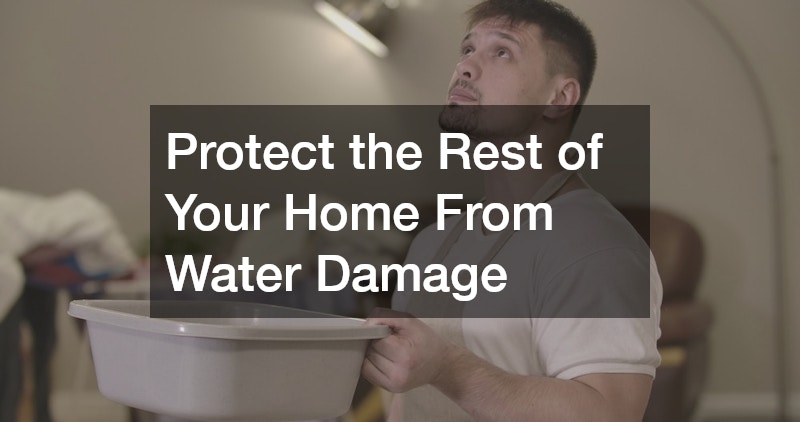
Water entering through the upper structure can affect nearly every part of a house. It may soak attic materials, travel along rafters, enter wall cavities, and collect above ceilings. Because water follows framing and other surfaces, the interior damage may appear far from the original opening.
Professional roofing services can help trace moisture back to its source. Common entry points include damaged flashing, failed sealant, exposed fasteners, valleys, chimneys, skylights, plumbing vents, and transitions between different sections. Simply repainting a ceiling stain will not solve the underlying issue.
Soffits and fascia should be checked for softness, peeling paint, stains, pest activity, and visible gaps. These components help protect edges and support ventilation. Damage may allow water, insects, birds, or small animals to enter. Problems should be corrected before they spread into framing.
Roofing contractors may also recommend checking wall intersections, siding, and exterior trim. In some cases, moisture that appears to come from above may actually enter through poorly sealed windows, wall flashing, or masonry. A complete evaluation reduces the chance of repairing the wrong area.
Attic humidity should be monitored throughout the year. Rusted fasteners, damp surfaces, dark spots, or a persistent musty smell may indicate ventilation or moisture problems. Bathroom fans, kitchen exhaust systems, and dryers should vent outdoors rather than into the attic. Controlling interior humidity protects both structural materials and indoor air quality.
Understand When Repairs Are No Longer Enough
Repairs are most effective when damage is limited and the surrounding materials remain in good condition. As a system ages, however, isolated repairs may become less dependable. Homeowners should consider the overall condition, not just the newest leak.
Repeated service calls are an important warning sign. When leaks continue appearing in different locations, the surface may be nearing the end of its useful life. Widespread curling, cracking, granule loss, exposed underlayment, and soft decking can also indicate that individual repairs will offer only temporary relief.
Roofers can assess whether affected areas are structurally sound and whether new materials can be integrated successfully with older ones. A repair may look acceptable at first but fail to perform properly if surrounding materials are brittle or deteriorated. Compatibility is particularly important around valleys, ridges, penetrations, and transitions.
A planned roofing replacement allows homeowners to address related concerns at the same time. Damaged decking can be removed, ventilation can be corrected, flashing can be updated, and water-resistant underlayment can be installed where appropriate. Coordinating these improvements can provide stronger protection than continuing to patch separate failures.
Choose Quality Materials and Workmanship

The durability of an exterior system depends on both product quality and installation. Even premium materials can fail early when they are installed incorrectly, used on an unsuitable slope, or paired with poor ventilation. Homeowners should evaluate the complete system rather than selecting a product based only on appearance.
Asphalt shingle roofs are available in a range of designs, thicknesses, impact ratings, and warranty levels. Selection should account for climate, wind exposure, sun intensity, expected service life, and the home’s architectural style. Homeowners should ask how each option performs in local conditions and what maintenance it requires.
Residential roofing projects should include careful preparation of the deck, proper underlayment, correctly installed flashing, secure edge components, adequate ventilation, and manufacturer-approved fastening. Shortcuts in any of these areas can reduce performance and may affect warranty coverage.
Written warranties should be reviewed before work begins. Product coverage and workmanship coverage are not the same. Manufacturer protection generally applies to qualifying material defects, while the installer’s warranty addresses errors in labor. Exclusions, transfer rules, maintenance requirements, and claim procedures should be clearly understood.
Maintain Accurate Records for Future Savings
Organized records help homeowners track changes, confirm completed work, and plan future maintenance. A home file should include inspection reports, photographs, invoices, warranties, product information, permits, and contractor contact details. Digital copies provide additional protection if paper documents are lost or damaged.
Each roofing estimate should be saved, even when the proposed work is not immediately approved. Comparing previous recommendations with current conditions can show how quickly deterioration is progressing. It may also help homeowners identify recurring trouble spots or understand why one repair approach was chosen over another.
Reports from a roofing expert can provide useful documentation for warranty questions, insurance claims, and real estate transactions. Records should note the date of service, weather-related damage, materials replaced, and any recommendations for future monitoring.
Homeowners can also maintain a simple calendar with reminders for seasonal inspections, gutter cleaning, attic checks, and tree trimming. After storms, photographs should be added to the file, along with notes describing visible changes. Consistent documentation makes it easier to distinguish new damage from older wear.
Preserving Long-Term Comfort, Safety, and Value
Consistent maintenance protects far more than the home’s exterior. It reduces the risk of water damage, supports stable indoor temperatures, preserves structural materials, and helps homeowners avoid disruptive emergencies. Routine visual checks, seasonal cleaning, attic monitoring, and timely professional evaluations can reveal concerns while they are still manageable.
The most effective approach is to create a schedule rather than waiting for visible leaks. Homeowners should document changes, respond quickly to warning signs, and consider the condition of the entire system when deciding between repair and larger improvements.
A well-maintained home is safer, more comfortable, and easier to manage. By investing time in preventive care and addressing small concerns before they spread, homeowners can protect their property, control long-term expenses, and gain greater confidence during every season.