In today’s construction and industrial sectors, businesses must adapt efficiently to varying project needs. Crane rental services offer a flexible and cost-effective solution, allowing companies to access specialized equipment without the financial burden of ownership. With crane technology continuing to advance and project requirements varying widely, rental services have become an important part of strategic equipment and logistics management.
Why Opt for Crane Rental Instead of Purchasing?
Purchasing a crane requires a substantial financial commitment beyond the initial purchase price. Maintenance, repairs, storage, insurance and depreciation can add significant costs over time. Renting allows businesses to pay only for the equipment they need while directing capital toward other project priorities.
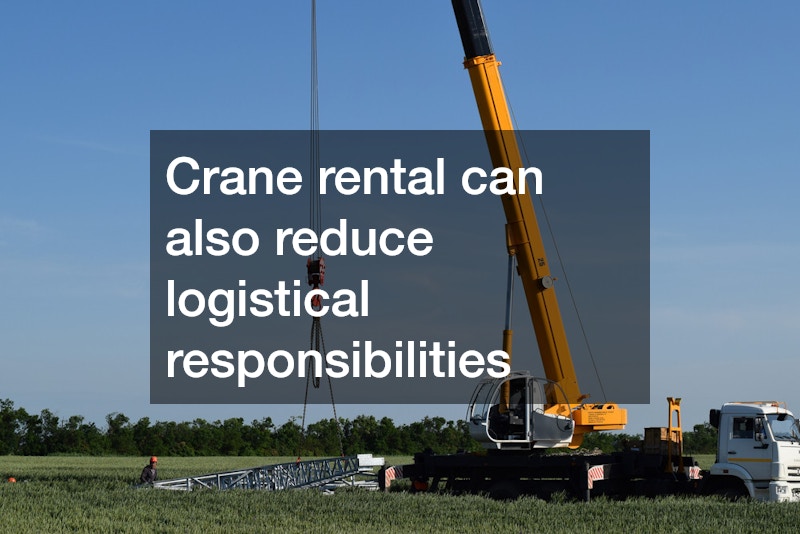
Crane rental can also reduce logistical responsibilities. Rental companies often handle delivery and pickup while maintaining their equipment to meet current safety and operational standards. This allows project managers and crews to focus on their work rather than equipment storage, transportation and maintenance.
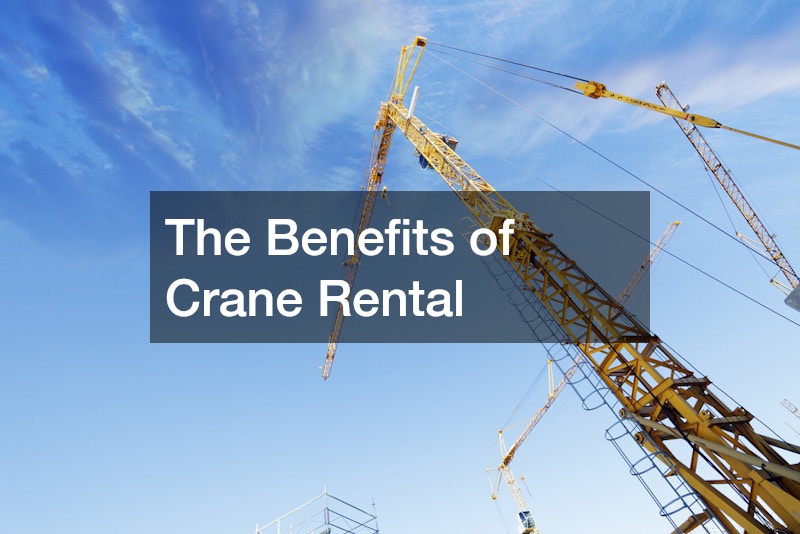
Another major advantage is equipment flexibility. Different projects require different crane types and capacities. A tower crane may be appropriate for a high-rise project, while a mobile crane may be better suited to a site requiring greater mobility. Renting gives businesses access to the equipment best suited to each job, including newer models and technologies, without requiring them to purchase an entire fleet.
What Types of Projects Benefit Most From Crane Rental?
Large infrastructure projects, including highways, bridges and skyscrapers, can benefit from rental services because they often require specialized cranes capable of handling heavy loads or reaching significant heights. Industrial operations, including manufacturing and oil and gas facilities, can also benefit, particularly when projects take place at remote or changing locations.
Rental services are especially useful for time-sensitive projects where equipment delays can increase costs. Having access to different crane types and sizes allows businesses to respond quickly to changing requirements. For smaller and midsize construction firms, this flexibility can also make it easier to take on additional contracts without investing in expensive equipment.
Seasonal projects, such as roadwork and agricultural development, can benefit from renting as well. Companies can increase their equipment capacity during busy periods without taking on the ongoing costs associated with equipment ownership during slower months.
Demolition and reclamation projects may also require cranes with adaptable capabilities. Renting allows companies to select equipment based on site-specific conditions, including restricted spaces or difficult terrain, without committing to long-term ownership.
How Does Crane Rental Enhance Safety and Compliance?
Safety and regulatory compliance are critical considerations in crane operations. Rental companies typically conduct regular inspections and maintenance to keep their equipment in proper operating condition. Some rental services also provide trained operators, safety audits and training programs to support safe crane operation.
Regulations and safety standards can change over time. Rental providers manage their fleets with these requirements in mind, reducing the burden on businesses to continually update or replace their own equipment. Access to current equipment and safety practices can help construction companies maintain appropriate operating standards.
Rental agreements may also provide insurance options and contingency support. Some providers offer emergency assistance and technical support, helping reduce downtime if equipment problems arise during important project phases.
What Are the Cost Implications of Crane Rental?
Cost efficiency is one of the primary reasons businesses choose crane rental. Short-term agreements allow companies to access equipment when needed without paying the substantial upfront cost of purchasing a crane. Rental can also reduce expenses associated with storage, routine maintenance and servicing, depending on the agreement.
Rental contracts can provide greater financial predictability by establishing costs for a specific period. This makes it easier to create project budgets and allocate resources. Businesses can also avoid the financial risk associated with equipment becoming outdated because rental providers can offer newer models as they become available.
When comparing renting with ownership, businesses should consider total cost of ownership, including acquisition, operation, maintenance and eventual decommissioning. For companies with changing equipment requirements, renting multiple crane types can be more practical than purchasing and maintaining an extensive fleet.
How to Choose the Right Crane Rental Service?
Choosing a crane rental provider requires consideration of equipment quality, availability and customer service. Businesses should ask about maintenance schedules and inspect the condition of available equipment when possible. Reliable customer service is also important, particularly when projects require timely delivery or technical assistance.
A broad equipment selection can make it easier to find a crane suited to specific project requirements. Providers with experienced operators and support personnel can also help businesses determine appropriate equipment and deployment strategies.
Finally, companies should evaluate a provider’s reputation and past performance. Customer reviews, professional references and previous project experience can offer insight into reliability and service quality. Selecting a dependable rental provider can help reduce disruptions and support successful project completion.
Crane rental provides construction and industrial businesses with flexibility, cost control and access to specialized equipment. Renting can reduce the financial and logistical responsibilities associated with ownership while providing access to equipment suited to individual projects. By considering equipment quality, safety practices, availability, pricing and provider reputation, businesses can select crane rental services that support efficient and successful operations.