Planning a roofing project involves more than selecting shingles or deciding when construction should begin. Whether you are replacing an aging roof, repairing storm damage, or updating an exterior, careful preparation can help you manage costs, coordinate work, and protect the structure from further damage. Every property has different needs, so it is important to evaluate the roof’s condition, consider how other exterior features affect its performance, and determine which improvements should be completed at the same time. A well-organized project also accounts for material deliveries, worker access, weather conditions, and the removal of old roofing materials.
Coordinate With Professionals for a Successful Project

Roofing projects often involve several interconnected tasks, especially when the work extends beyond replacing shingles or repairing a small leak. Before construction begins, evaluate the property’s overall condition and identify related improvements that may need attention. This assessment can help you establish priorities, create a realistic budget, and determine the appropriate order for completing each task.
Experienced building contractors can help coordinate different phases of a renovation when roofing work overlaps with structural improvements, siding installation, or other construction activities. For example, replacing damaged roof decking may require carpentry, while changing the roofline could affect ventilation and drainage. Coordinating these tasks helps prevent scheduling conflicts and reduces the possibility of disturbing completed work during another phase of construction.
Start by documenting visible concerns, such as missing shingles, sagging roof sections, water stains, and deteriorating trim. A professional inspection can help determine whether these issues indicate isolated damage or more extensive problems. You should also discuss the intended scope of work, material choices, estimated completion time, and potential complications before approving the project.
Choose the Right Team for Your Roofing Needs
Selecting qualified professionals is an important part of preparing for a roof replacement or major repair. Different projects require different skills, and the lowest estimate does not always represent the best overall value. Property owners should evaluate experience, applicable licensing, insurance coverage, communication practices, and the proposed scope of work before making a decision.
When comparing a contracting company with other providers, ask about previous projects involving similar roofing materials and building designs. A contractor familiar with your roof type may be better prepared to identify installation concerns, recommend suitable products, and explain maintenance requirements. Request references or examples of completed work when available, and verify applicable credentials through the appropriate state or local agencies.
A detailed written proposal should describe the materials being installed, the areas included in the project, the anticipated schedule, and the payment terms. It should also explain how the contractor will address damaged decking, unexpected leaks, or other conditions discovered after the existing roofing materials are removed. Clarifying these details before work begins can help prevent disagreements about additional costs or responsibilities.
Warranties deserve attention, too. Ask which protections apply to the roofing materials and which cover the installation. Manufacturer warranties may have specific requirements involving approved products, installation methods, or maintenance. Review the documentation carefully rather than assuming every component receives identical coverage.
Inspect Your Chimney Before Work Begins
Chimneys are important areas to evaluate during roofing projects because their connection to the roof can create opportunities for water intrusion. Flashing, mortar joints, chimney caps, and surrounding roofing materials all contribute to keeping moisture out of the building. If these components are deteriorating, installing a new roof without addressing the underlying problems may leave the property vulnerable to leaks.
Look for visible warning signs around the chimney, including cracked masonry, loose bricks, damaged flashing, rust stains, or water marks on nearby ceilings and walls. These symptoms do not always reveal the full extent of the damage, so a qualified professional should assess concerns that may affect the chimney’s structural condition or the roof’s waterproofing.
Scheduling chimney repairs alongside roofing work may help reduce repeated labor and avoid disturbing newly installed materials later. For example, replacing damaged flashing while surrounding roofing materials are being removed can make it easier to inspect the connection and install compatible components. A qualified chimney professional may also need to evaluate deteriorating masonry, damaged liners, or other concerns beyond the roofing contractor’s scope.
Explore Exterior Materials That Complement Your Roof

Roofing materials influence a property’s appearance, durability, and maintenance requirements. When planning an exterior renovation, consider how the roof will work with the siding, trim, windows, and other visible features. Coordinating these elements can create a consistent appearance while helping you select materials suited to the building’s design and local climate.
Metal board and batten siding is one option for property owners seeking a distinctive exterior style. Its vertical panels and raised battens create a structured appearance that can complement standing-seam metal roofing, traditional shingles, or other roof designs. The right combination depends on the building’s architecture, preferred color palette, and the appearance you want to achieve.
Material compatibility matters as much as appearance. Different roofing and siding products have specific installation requirements, expansion characteristics, and methods for directing water away from the building. A professional should evaluate how these systems meet at roof edges, wall transitions, and other vulnerable areas. Proper flashing and drainage details help reduce the risk of moisture entering behind exterior materials.
Consider durability and upkeep when comparing options. Metal products may resist certain weather conditions, but performance depends on product specifications, protective coatings, installation quality, and maintenance. Review manufacturer guidance to understand cleaning requirements, expected service life, and warranty conditions.
Evaluate Roofing Needs for Recreational Vehicles
Recreational vehicles have different roofing requirements from residential buildings. Their roofs must withstand road vibration, changing temperatures, rain, sunlight, and the movement associated with travel. For people who live in an RV full-time, roof maintenance is especially important because the vehicle is also their home. A leak can damage sleeping areas, storage spaces, insulation, and personal belongings while making the living environment uncomfortable.
Begin by reviewing the manufacturer’s maintenance recommendations and inspecting the roof from a safe position. Look for cracked sealant, damaged seams, loose components, punctures, or signs of water intrusion around vents, skylights, and other openings. Water stains, musty odors, and soft interior surfaces may indicate a leak that needs professional evaluation.
An RV roof can develop problems even when damage is not immediately visible. Small openings around seals may allow moisture to enter gradually, potentially affecting insulation, wall panels, and other interior components. For full-time residents, these problems can disrupt daily routines and lead to expensive repairs if left unresolved.
Before choosing a repair method, identify the roof material. Rubber membranes, fiberglass, aluminum, and other systems require compatible cleaning products, sealants, and repair materials. Using an unsuitable coating or adhesive can damage the surface or interfere with its protective system. Follow the manufacturer’s instructions rather than assuming a product designed for one roof type will work on another.
Protect Your Vehicle With Routine Roof Maintenance
Maintaining an RV roof between major service appointments can help identify developing problems before they lead to extensive water damage. People who live in their vehicles year-round should make roof inspections part of their regular home maintenance routine. Those who travel occasionally can benefit from checking the roof before and after trips, especially following severe weather.
Start by checking accessible seams, sealant, vents, antennas, skylights, and other roof openings. Look for peeling sealant, loose fittings, cracks, or areas where water appears to collect. Inspect the interior as well, paying attention to ceiling discoloration, damp cabinetry, and unusual odors that could indicate hidden moisture.
Cleaning is another part of routine care, but the process should match the roof’s material. Use approved products and methods because harsh chemicals, abrasive tools, or excessive pressure can damage some surfaces. Avoid walking on the roof unless the manufacturer confirms that it can support a person’s weight and provides guidance for doing so safely.
Prompt RV roof repair can be particularly important for full-time residents who cannot easily relocate their belongings or stop using their vehicle while damage worsens. If you notice a soft spot, significant crack, or suspected structural deterioration, arrange a professional assessment. Temporary measures may help limit water intrusion, but they should not replace a proper evaluation of the underlying problem.
Plan for Safe and Efficient Debris Removal
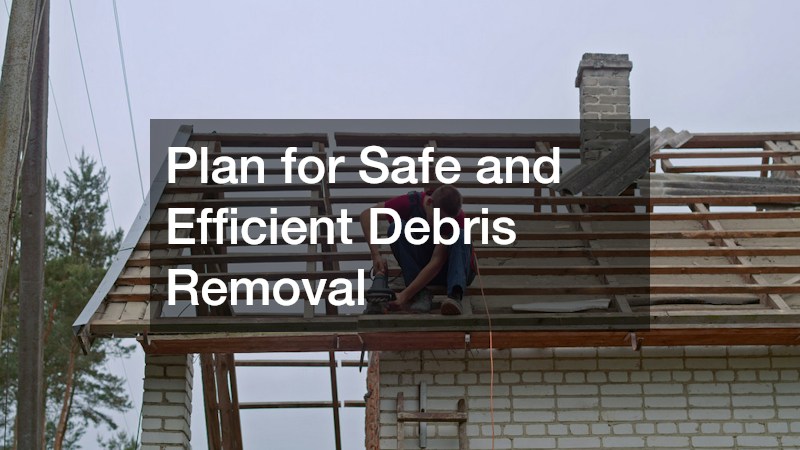
Roof replacements and major repairs can generate substantial waste, including old shingles, underlayment, damaged wood, metal flashing, and packaging. Planning how to manage these materials before work begins helps maintain an organized site and reduces the chance that debris will interfere with workers or access to the property.
When arranging dumpster rental, consider the project’s scope, the expected volume of waste, and the materials being removed. A small repair may produce only a limited amount of debris, while a complete roof replacement can generate a much larger load. Ask your roofing contractor for an estimate based on the roof’s size, the number of existing layers, and the materials involved.
Placement is another important consideration. The container should be accessible to the crew without unnecessarily obstructing driveways, sidewalks, or neighboring properties. Before delivery, identify a suitable location and determine whether the surface can support the container and delivery vehicle. Ask the rental provider about placement requirements and possible surface protection.
Keep the work area clear throughout the project. Nails, sharp metal pieces, and broken roofing materials can create hazards for workers, residents, pets, and visitors. Establish a plan for collecting debris, maintaining access routes, and completing a final cleanup after the roofing work is finished.
Estimate Waste Volume Before Scheduling Disposal
Choosing an appropriately sized container requires more than estimating how many bags of debris a roofing project will produce. Roofing materials are often dense and bulky, and the final volume depends on the roof’s dimensions, pitch, existing layers, and the amount of damaged decking or trim that must be removed.
A 20 yard dumpster rental may be suitable for some residential roofing projects, but the correct size depends on the amount and type of waste. A smaller roof with a single layer of shingles may require less capacity than a larger roof with multiple layers and additional construction debris. Ask the roofing contractor and rental provider to estimate both volume and weight before making a reservation.
Roof measurements provide a useful starting point, although the actual surface area is greater than the building’s footprint because of the roof’s pitch and design. Additional features, such as dormers, valleys, and attached garages, can also affect the amount of material removed. If the project includes siding, gutters, or damaged wood, account for those materials when estimating the total load.
Weight limits are particularly important when disposing of shingles, tiles, or other dense materials. Even when a container has available space, the load may exceed the provider’s permitted weight. Overloading can lead to additional fees or require part of the debris to be removed before transport.
Accurate planning helps you avoid paying for unnecessary capacity or arranging an extra container at the last minute. Considering roof size, material type, and disposal requirements together can help you select a suitable option and keep the construction site organized.
Select a Practical Solution for Construction Waste
Not every roofing project produces the same type or quantity of debris, so the disposal arrangement should reflect the work being completed. A minor repair may generate a few damaged shingles and small pieces of flashing, while a full replacement can involve several layers of roofing materials, underlayment, and deteriorated wood. Larger renovations may also include siding, insulation, or other construction waste.
A roll-off dumpster can provide a convenient collection point for projects that generate substantial debris. These containers are delivered to the site, filled during construction, and collected for disposal or processing. Their size and placement options can make them useful for roofing replacements and other exterior renovations, provided the selected container is appropriate for the materials involved.
Before arranging delivery, compare available sizes, weight allowances, rental periods, and pickup terms. Ask whether the quoted price includes delivery, removal, disposal fees, and a specific rental duration. Clarify how extensions, excess weight, or prohibited materials may affect the final cost.
Coordinate delivery with the roofing crew so the container arrives before debris removal begins without obstructing material deliveries or other scheduled work. If the project involves multiple phases, determine whether the container should remain on-site or be removed between stages.
Improve Rainwater Management Around Your Roofline
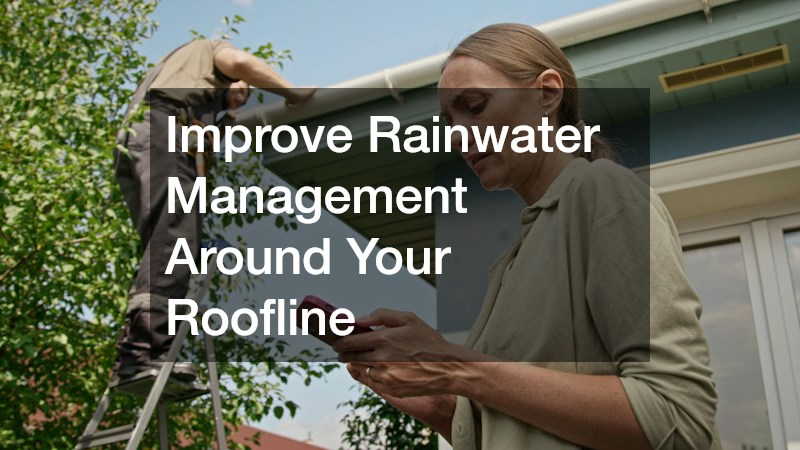
A roof protects a building from precipitation, but its effectiveness also depends on how water is directed away from the structure. Gutters collect runoff and channel it toward appropriate discharge points. If the system is damaged, undersized, or poorly maintained, water may overflow near the foundation, stain exterior walls, or contribute to soil erosion.
When planning a roofing project, inspect the existing gutter system before deciding whether it should remain in place or be replaced. Look for sagging sections, loose fasteners, corrosion, leaking joints, and signs of overflow. Also check whether downspouts direct water away from the foundation and whether nearby landscaping interferes with drainage.
A seamless gutter system is made to fit the dimensions of a building, with fewer joints along each continuous run than many sectional systems. Fewer joints can reduce the number of potential leak points along the gutter length, although corners, outlets, and connections can still require maintenance. Proper sizing, slope, secure attachment, and suitable downspout placement remain essential to performance.
Coordinate gutter installation with the roofing work whenever practical. Roof edges, fascia boards, drip edges, and gutters interact, so changes to one component may affect the others. A qualified installer can determine how the system should be attached and whether the existing fascia or other supporting materials need repairs before new gutters are installed.
A successful roofing project begins with a clear plan that accounts for the building’s condition, the materials being installed, and the work required to protect the entire exterior. Evaluating these factors before construction starts can help you establish priorities, prepare a realistic budget, and coordinate the people and resources needed to complete the job. It also gives you an opportunity to identify related concerns, such as deteriorating chimney components, incompatible exterior materials, or drainage problems that could affect the finished roof.
With careful preparation and consistent communication, you can approach roofing work with a better understanding of the decisions involved. Addressing the roof, surrounding exterior components, and construction logistics as parts of the same plan helps you work toward a durable, functional result that supports the property’s long-term condition.