
Your home’s exterior is constantly exposed to wind, rain, heat, cold, hail, debris, and changing temperatures. Over time, these conditions can weaken materials, create small gaps, and allow moisture into areas that should stay dry. Even well-built exterior systems require ongoing attention because weather, age, and normal wear can gradually affect how effectively they protect the home.
Many exterior problems begin with subtle warning signs. A loose panel, cracked joint, missing shingle, or small stain may not seem urgent, but these issues can lead to larger repairs if they’re ignored. Water intrusion is especially important to catch early because moisture may travel behind exterior surfaces before visible damage appears indoors.
Regular inspections can help you catch problems early. You don’t need to climb onto the roof to spot many warning signs. Looking at the house from the ground, checking accessible attic areas, and paying attention to changes after storms can provide useful information. Taking photos from the same locations a few times each year can also make it easier to notice gradual changes that might otherwise go unnoticed.
Seasonal maintenance is another opportunity to identify developing concerns. Spring and fall are good times to check for loose materials, blocked drainage, staining, cracked sealants, and other signs of wear. Severe storms should also prompt a quick visual review, especially if the property experienced strong winds, hail, or falling debris.
It’s also helpful to look at the exterior as a connected system rather than a collection of separate parts. Roofing, siding, flashing, gutters, chimneys, trim, and drainage all work together to keep water away from the structure. A problem in one area can eventually create damage somewhere else.
The key is knowing which problems should be addressed quickly and which can simply be monitored. Active leaks, visible structural movement, repeated moisture issues, and materials that are no longer securely attached deserve prompt attention. Here are some of the most important roofing and exterior warning signs homeowners should know.
Check the Roof After Storms and Seasonal Weather Changes

Severe weather can damage roofing materials without creating an immediate leak. High winds may lift shingles, hail can damage protective surfaces, and falling debris may disturb flashing or other components.
After a storm, walk around the home and inspect the roof from the ground. Binoculars or a camera zoom can help you see distant areas safely.
Look for:
- Missing materials: Exposed areas may allow water to reach the layers below.
- Lifted or curled edges: Wind can loosen materials even if they remain attached.
- Cracks or impact marks: These can develop after hail or falling debris.
- Uneven sections: Sagging or dipping areas deserve attention.
- Damaged flashing: Areas around chimneys, vents, skylights, and walls are common leak points.
- Debris buildup: Leaves and branches can slow drainage and trap moisture.
If you notice changes, local roofers can inspect areas that aren’t easy to evaluate from the ground.
The attic is another useful place to check. Look for damp insulation, stained wood, musty odors, rusty fasteners, or light entering where it shouldn’t. Water may travel along framing before it becomes visible on a finished ceiling.
Interior signs can include bubbling paint, water stains, softened drywall, or peeling finishes. A stain that dries between storms may still indicate an active problem.
If moisture keeps returning in the same area, a local roofing contractor can help identify whether an earlier repair addressed the actual source of the leak.
Take photographs after storms and keep records of repairs. Comparing new photos with older ones can make subtle changes easier to spot.
Catching damage early may help prevent problems from spreading into insulation, ceilings, walls, flooring, or framing.
Know When Small Damage Is Becoming a Larger Roofing Problem
Not every problem requires a major project. Isolated damage may sometimes be corrected without replacing the entire system.
Roof repair may be appropriate when the damage is limited, and the surrounding materials are still in good condition. Examples include a few missing shingles, minor flashing damage, or a small leak around a vent.
However, frequency matters. One repair every several years is different from repeated service calls in a short period. If new problems continue appearing, that pattern may indicate broader deterioration rather than a single isolated issue. Tracking where and when repairs occur can help you see whether the same areas are failing again.
Watch for signs of broader deterioration, including:
- Leaks in several locations
- Widespread curling or cracking
- Large areas of surface wear
- Repeated flashing failures
- Soft or moisture-damaged decking
- Frequent repairs
- Interior stains that return after heavy rain
When these problems become widespread, roof replacement may become more practical than continuing to fix individual areas.
Age should be considered alongside condition. Two systems of the same age can perform very differently depending on installation quality, storm exposure, ventilation, and maintenance history.
Keep track of where and when repairs were completed. If new problems keep developing, compare the cost of continued maintenance with the expected remaining lifespan of the existing materials.
Ask for written assessments when considering larger work. The scope should explain what is damaged, why it occurred, what will be replaced, and whether hidden deterioration is suspected.
For larger projects, also ask about underlayment, flashing, ventilation, decking, disposal, and warranties.
The goal is to make decisions based on condition rather than assuming that every defect calls for either a quick patch or complete replacement.
Inspect Siding for Moisture, Movement, and Surface Damage
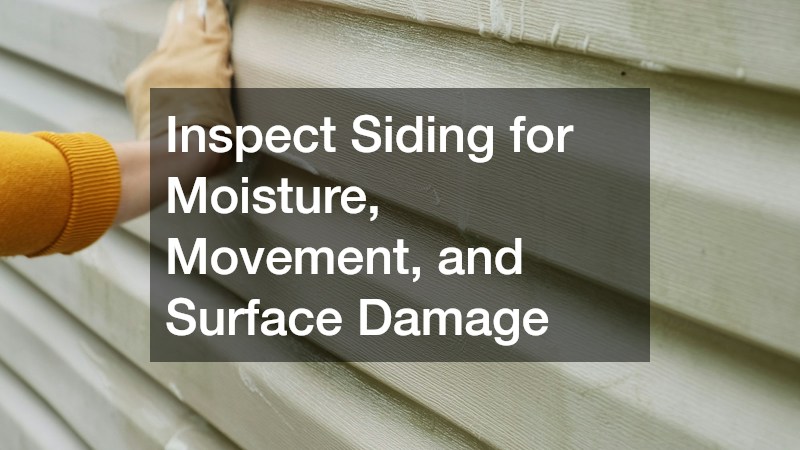
Siding helps protect the walls beneath it from moisture, wind, and debris. When panels loosen or deteriorate, water may reach sheathing, insulation, or framing.
Walk around the property several times a year and look for:
- Cracked or broken panels
- Loose sections
- Warping or buckling
- Gaps near windows and doors
- Peeling finishes
- Persistent staining
- Soft or swollen areas
- Missing trim
Pay close attention to lower sections near soil, mulch, patios, and decks. These areas may remain wet from splashback or poor drainage.
Vegetation can also contribute to problems. Bushes and vines pressed against exterior walls may hold moisture and make it harder to inspect the surface.
If several areas show damage, siding contractors can help determine whether the problem is limited to a few pieces or involves a larger section.
It’s also important to identify the source of damage before replacing materials. Repeated deterioration may be caused by poor drainage, irrigation spray, overflowing gutters, mulch piled too high, or a leaking exterior faucet.
A siding service can also evaluate trim, flashing, caulking, and other areas where water may enter behind the exterior surface.
Inside the home, watch for staining near windows, damp drywall, peeling paint, or musty odors. These signs don’t automatically mean the exterior cladding is responsible, but they deserve investigation.
Basic maintenance can include keeping vegetation trimmed, maintaining proper clearance from soil, checking penetrations, and inspecting the exterior after storms.
Examine Chimneys, Flashing, and Roof Intersections for Water Entry
Leaks often develop where different materials meet. Chimneys, walls, skylights, valleys, vents, and other penetrations create transitions that require careful detailing.
Inspect chimneys from the ground for:
- Cracked mortar
- Loose masonry
- Flaking bricks
- Leaning sections
- Damaged caps
- Cracked crowns
- Loose flashing
Masonry can absorb moisture, and repeated freeze-thaw cycles may make small cracks worse over time.
When masonry deterioration becomes significant, chimney repair may be needed rather than simply applying more sealant.
Flashing should also be inspected around chimneys, walls, valleys, skylights, and plumbing vents. Look for metal that has lifted, rusted, cracked, or pulled away.
Repeatedly applying caulk isn’t always a permanent solution. If a leak keeps returning, roofing companies should be asked to identify the source of the water instead of simply sealing the visible area again.
Valleys deserve particular attention because they collect runoff from multiple roof surfaces. Debris can block drainage and keep moisture against materials longer than intended.
Watch previous repairs during future storms. If staining returns, flashing moves again, or mortar cracks reopen, the original work may not have addressed the underlying problem.
Taking yearly photographs of chimneys and roof intersections can help you notice gradual changes before they become severe.
Schedule a Full Exterior Review Before Problems Spread Indoors
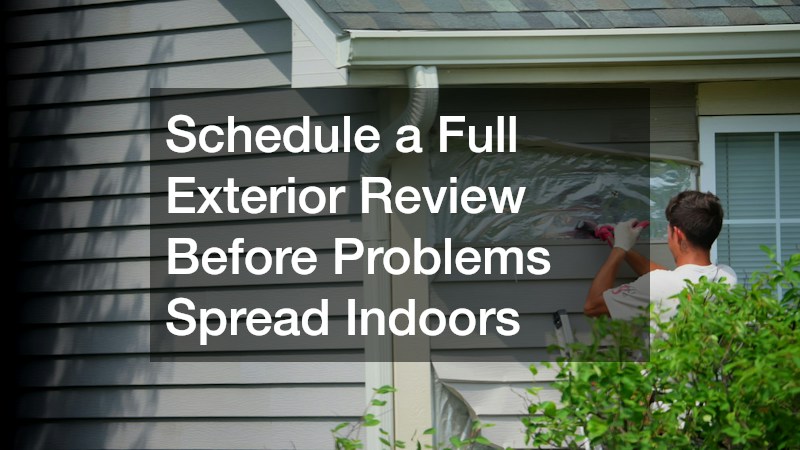
The roof, siding, gutters, flashing, and drainage systems work together. A problem in one area can create damage somewhere else.
For example, clogged gutters may send water over fascia and siding. Poorly placed downspouts can discharge water beside the foundation. Damaged flashing may allow moisture behind exterior materials.
A residential roofing system should be considered as part of the home’s overall water-management system rather than in isolation.
During or shortly after rain, look for:
- Overflowing gutters
- Water running behind gutters
- Downspouts emptying beside the house
- Splashback against exterior walls
- Ponding near foundations
- Water stains beneath roof edges
- Areas that remain wet longer than expected
Patterns often provide useful clues. If damage repeatedly appears on one side of the house, consider whether that area receives stronger winds, heavier runoff, or less sunlight.
Local roofing contractors can inspect areas that are difficult to view safely and help identify which problems deserve priority.
A broader inspection may be useful after major storms, before buying or selling a home, when the history of the exterior is unknown, or when several areas show signs of deterioration.
A basic maintenance schedule can help:
- Spring: Check for winter damage and drainage problems.
- Summer: Look for heat-related wear and storm damage.
- Fall: Clear debris and inspect exterior materials.
- After severe weather: Look for new damage or movement.
- After repairs: Recheck the area during the next significant rain.
Keep repair records, warranties, invoices, and photos together. This information can help you recognize patterns and make better maintenance decisions over time.
Protect Your Home by Acting on Warning Signs Early

Exterior problems are generally easier to manage when they’re caught before moisture or structural deterioration spreads. A missing shingle, loose panel, damaged joint, or recurring stain can provide an early warning that something needs attention. Small defects may not seem urgent at first, but repeated exposure to rain, wind, heat, and cold can make them worse over time.
Pay attention to repeated patterns rather than waiting for a major failure. Recurring leaks, widening cracks, loose materials after storms, and repairs that don’t last are all worth investigating. Changes that seem minor from one season to the next can also reveal gradual wear that may not be obvious during a single inspection.
Many basic inspections can be performed safely from the ground or from accessible interior areas. Avoid unnecessary ladder or roof access, especially during wet, icy, or windy conditions. Using binoculars, a camera zoom, or photos taken from consistent locations can make it easier to monitor hard-to-reach areas without putting yourself at risk.
Keeping photographs, repair records, warranties, and invoices can also help you track changes over time and recognize recurring issues. A simple maintenance log can be especially useful when several repairs have been completed over the years, since it gives you a clearer picture of which areas continue to need attention.
It can also help to create a seasonal checklist for the exterior. Spring and fall are good times to look for loose materials, blocked drainage, worn sealants, surface damage, and signs of moisture. After severe weather, compare current conditions with previous photos so new damage is easier to identify.
Most importantly, address active water entry and structural deterioration before cosmetic projects. A fresh coat of paint or updated landscaping may improve curb appeal, but those improvements won’t solve problems hidden beneath the surface. Prioritizing repairs that protect the structure can help preserve other investments you’ve already made in the home.
A consistent maintenance routine can help protect the appearance of your home, preserve the materials beneath the surface, and reduce the chance that a small exterior problem turns into a much larger repair. Staying observant and dealing with warning signs early can also give you more control over repair timing and costs instead of being forced to respond after significant damage has already occurred.