Severe weather can place significant stress on a home, and one of the most vulnerable parts of any house is the roof. Storms, heavy rain, strong winds, hail, and falling debris can cause both visible and hidden damage that may worsen over time if it is not addressed promptly. Even a small issue that begins during a storm can eventually lead to serious problems such as water intrusion, mold growth, structural damage, and insulation failure.
Many homeowners do not realize that weather-related roof damage is not always obvious immediately after a storm. Some signs appear gradually as water slowly finds its way into the home’s structure. Because of this, it is important to know what warning signs to watch for and what steps to take if you suspect that your roof may have been affected.
Understanding the process of identifying damage, working with professionals, and determining the best course of action can help homeowners avoid unnecessary stress and expenses. By taking the right steps quickly, you can protect your home, reduce long-term repair costs, and ensure your roof continues to provide reliable protection for years to come.
The following guide explains what homeowners should know about dealing with weather-related roof damage and how to handle the situation effectively.
Learn How to Identify Common Signs of Storm Damage Early
Storms can damage roofing materials in many ways. High winds may lift or tear off shingles, hail can create dents or cracks, and heavy rain can exploit weak spots in the roof’s structure. Identifying these problems early is crucial because small issues can escalate quickly.
Many homeowners first discover problems when they begin researching roof repair after noticing water stains or missing shingles. However, it is best to look for damage as soon as it is safe after a storm.
Some of the most common signs of storm damage include:
- Missing, curled, or cracked shingles
- Granules from shingles collecting in gutters
- Pieces of roofing material on the ground
- Loose flashing around vents and chimneys
- Dents caused by hail impacts
Another warning sign may appear inside the home. Water stains on ceilings or walls often indicate that the roofing system has been compromised.
Damage to roofing materials may also be subtle. For example, shingles may appear intact but have weakened adhesive seals due to high winds. Over time, these shingles can loosen further and eventually detach.
Early roof repair is important because it prevents water from entering the home and causing more extensive structural problems. Addressing issues quickly also helps maintain the integrity of insulation, attic ventilation systems, and interior finishes.
Homeowners who become familiar with these warning signs are better equipped to protect their homes after severe weather events.
Inspect Your Home Safely After Severe Weather
After a storm passes, many homeowners feel tempted to climb onto the roof to check for damage. However, this can be dangerous, especially if the roof surface is wet, unstable, or covered with debris.
A safer approach is to perform a visual inspection from ground level and examine areas inside the home where water intrusion might occur. If signs of damage are visible, professional inspection is recommended.
One of the most important steps during an inspection is identifying leaks before they worsen. Specialists often perform roof leak detection to pinpoint the exact location of water intrusion. This process may involve advanced tools and techniques that are difficult for homeowners to replicate.
Professional leak detection methods may include:
- Infrared imaging to detect trapped moisture
- Moisture meters to measure water content in building materials
- Controlled water testing to identify entry points
- Visual inspection of flashing, vents, and seams
Homeowners can still perform basic checks to identify potential problems. Some useful inspection steps include:
- Looking for shingle fragments or debris around the property
- Checking gutters and downspouts for excessive granule buildup
- Examining attic spaces for moisture or water stains
- Inspecting ceilings for discoloration or bubbling paint
Documenting damage with photographs is also helpful, especially when filing insurance claims. These images can provide evidence of storm impact and assist professionals when evaluating repair needs.
By conducting safe inspections and calling experts when necessary, homeowners can quickly identify problems and take action before damage spreads further.
Understand When Immediate Repairs Are Necessary
Some forms of storm damage require urgent attention to prevent further destruction. Large openings in the roof, exposed decking, or active leaks during rainfall should be addressed immediately.
In these situations, homeowners may need emergency roof repair to stabilize the structure and prevent water from entering the home. Emergency repairs focus on quickly securing vulnerable areas until permanent repairs can be completed.
Situations that often require emergency action include:
- Large sections of roofing blown away by strong winds
- Structural damage caused by falling trees or debris
- Major leaks during ongoing storms
- Exposed roof decking or underlayment
Emergency crews typically begin by installing protective coverings such as tarps over damaged areas. This temporary measure prevents rainwater from entering the home and protects the interior from further harm.
Other emergency measures may include:
- Sealing exposed seams
- Reinforcing weakened sections
- Removing hazardous debris
- Redirecting water flow away from damaged areas
Although temporary fixes help reduce immediate risk, permanent repairs should follow as soon as possible. Delaying full restoration can lead to additional problems, including mold growth, structural weakening, and interior damage.
Homeowners should treat severe roof damage as a priority issue to ensure their homes remain safe and protected.
Work With Qualified Professionals for Accurate Assessments

Storm damage can affect more than just the visible surface of a roof. Underlying structural components such as decking, flashing, and ventilation systems may also suffer damage that is difficult to detect without professional expertise.
This is why many homeowners rely on a residential roofing contractor to perform a thorough inspection. These professionals understand how different roofing systems function and can identify both obvious and hidden problems.
Experienced roofing contractors typically examine several important aspects of the roof during an inspection:
- Shingle condition and alignment
- Flashing around vents, chimneys, and skylights
- Structural integrity of roof decking
- Drainage systems such as gutters and downspouts
- Signs of moisture intrusion in attic spaces
Working with qualified professionals also ensures that repairs meet local building codes and safety standards.
When selecting a contractor, homeowners should consider the following factors:
- Proper licensing and insurance coverage
- Positive customer reviews and references
- Experience with storm-related repairs
- Detailed written estimates for recommended work
A reliable professional will clearly explain the condition of the roof and recommend appropriate solutions. Their expertise can help homeowners make informed decisions about whether repairs or replacement are necessary.
Decide Whether Repair or Replacement Is the Better Option
Not all storm damage requires a complete roof replacement. In many cases, targeted repairs can restore the roof’s functionality and extend its lifespan. However, there are situations where replacing the entire roof becomes the most practical solution.
Determining the best option depends on several factors.
Repair may be sufficient when:
- Damage is limited to a small section of the roof
- The roofing system is relatively new
- Structural components remain intact
However, roof replacement may be necessary when:
- The roof is approaching the end of its lifespan
- Damage affects a large portion of the structure
- Repeated leaks indicate widespread deterioration
Replacing the roof can provide several long-term benefits, including improved energy efficiency and increased protection against future storms.
Homeowners should also consider the cost implications. While replacement involves a larger upfront investment, it may reduce long-term maintenance expenses if the existing roof is severely compromised.
Professional evaluations help determine whether repairs or replacement will provide the most reliable and cost-effective solution.
Explore Durable Roofing Materials That Resist Future Storm Damage
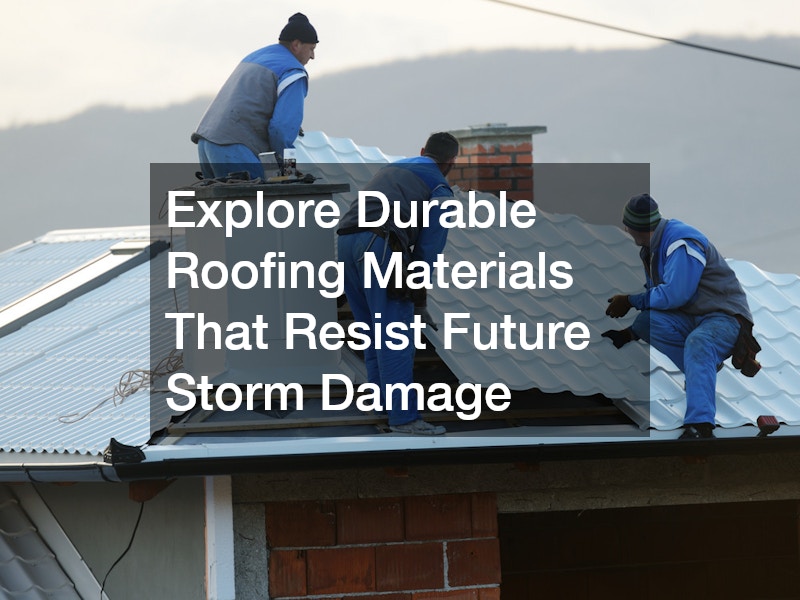
When homeowners repair or replace their roofs after severe weather, they often consider upgrading to more durable materials. Stronger roofing systems can significantly reduce the risk of damage during future storms.
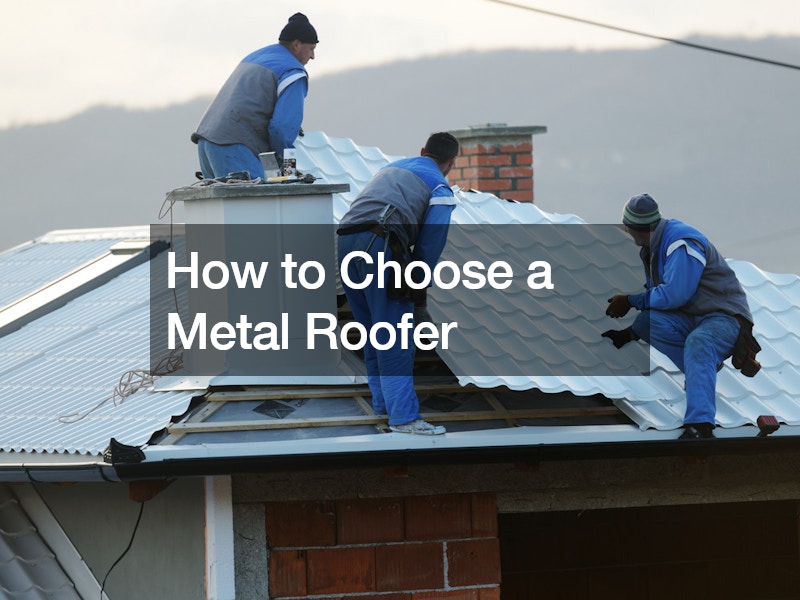
One material that has gained popularity in recent years is metal roofing. Known for its durability and longevity, this option offers several advantages compared to traditional roofing materials.
Metal roofing systems are designed to withstand extreme weather conditions and provide reliable protection for decades.
Key advantages include:
- Exceptional wind resistance
- Long lifespan compared to traditional shingles
- Fire resistance
- Minimal maintenance requirements
In addition to metal options, homeowners may explore other impact-resistant materials designed for storm-prone regions.
These materials may include:
- Architectural asphalt shingles
- Composite roofing products
- Specialized impact-resistant shingles
Choosing durable materials during repairs or upgrades can significantly reduce the likelihood of future storm damage while improving overall roof performance.
Understand the Range of Professional Solutions Available
Professional contractors offer a wide range of services designed to address various types of roof damage. These services typically begin with an inspection and continue through repairs, maintenance, or replacement as needed.
A reliable roofing company can manage the entire process, ensuring that repairs are completed safely and efficiently.
Common roofing services include:
- Detailed roof inspections
- Leak detection and repair
- Replacement of damaged shingles
- Structural repairs
- Full roof installation projects
Professional roofing services also provide homeowners with access to high-quality materials and specialized tools that ensure long-lasting results.
Working with experienced professionals provides several benefits:
- Accurate diagnosis of roof problems
- Safe repair practices
- Proper installation techniques
- Warranties for materials and labor
Having a trusted roofing partner can make a significant difference when dealing with storm damage and planning future maintenance.
Take Preventive Steps to Protect Your Roof in the Future
Preventing storm damage is not always possible, but homeowners can take several proactive steps to reduce risk and extend the life of their roofing systems.
Routine maintenance plays an important role in keeping roofing structures strong and weather-resistant.
Important maintenance tasks include:
- Cleaning gutters and downspouts regularly
- Inspecting flashing and ventilation openings
- Removing debris from roof surfaces
- Checking attic insulation and airflow
Tree branches that hang over the roof should also be trimmed to prevent damage during high winds.
Regular inspections are another valuable preventative measure. Scheduling professional evaluations once or twice per year allows experts to identify minor issues before they become major problems.
Homeowners should also pay attention to seasonal preparation.
For example:
- Inspect roofs before hurricane or storm season
- Repair loose shingles promptly
- Ensure drainage systems are functioning properly
Taking these proactive steps helps ensure that roofing systems remain resilient and capable of protecting the home against future weather events.
Final Thoughts
Weather-related roof damage can create significant stress for homeowners, adding to the challenges they may face during adverse weather conditions. However, gaining a comprehensive understanding of the appropriate actions to take can make this potentially overwhelming situation far more manageable. By vigilantly identifying early warning signs of damage, such as missing shingles, leaks, or unexpected debris on the roof, homeowners can take the initiative to address these issues before they escalate. It is also crucial to conduct roof inspections safely—avoiding direct access to damaged areas whenever possible and opting for professional inspections to ensure thorough evaluations. Collaborating with experienced roofing professionals who possess the expertise and tools necessary for assessments is another pivotal step. Such professionals not only identify existing problems but also provide effective solutions, ensuring that homeowners can address roofing issues quickly and efficiently.
With a thoughtful approach and the indispensable support of professionals, homeowners can confidently restore their roofs and maintain their homes in an optimal state, ensuring they remain safe, secure, and effectively shielded from the natural elements. This dedication not only enhances the immediate integrity of the roof but also adds to the long-term value and stability of the home, guaranteeing protection for many years to come.