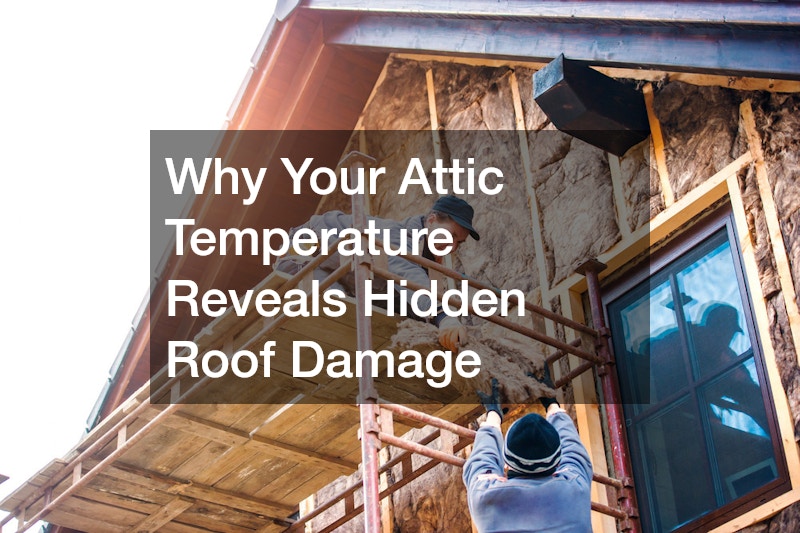
Most homeowners never set foot in their attic unless they are storing holiday decorations, but this overlooked space can tell you more about your roof’s health than a quick glance at your shingles ever could. Temperature swings, damp air, and musty odors in your attic are often the earliest warning signs of a roof problem long before a leak appears on your ceiling. Learning to read these signals can save you thousands of dollars in repairs and help you catch small issues before they become major structural headaches. This guide walks you through exactly what your attic temperature is telling you and what to do about it.
Why Attic Temperature Reflects Roof Condition
Your attic acts like a buffer zone between the outdoor climate and your living space, which means its temperature should generally track a predictable pattern based on insulation, ventilation, and roof material. When that pattern breaks down, it usually points to a physical problem with the roof deck, flashing, or underlayment allowing outside air or moisture to intrude. A properly functioning roof and attic system keeps temperature swings modest and consistent across different areas of the space.
Sudden hot spots or cold zones within the same attic are especially telling because they suggest localized damage rather than a broad insulation issue. A trained eye, such as that of a roofing contractor, can often pinpoint these anomalies within minutes using a simple thermal scan or manual inspection. Catching these clues early gives you the chance to address minor wear before it becomes a costly structural repair.
Recognize the Warning Signs of Excessive Summer Heat
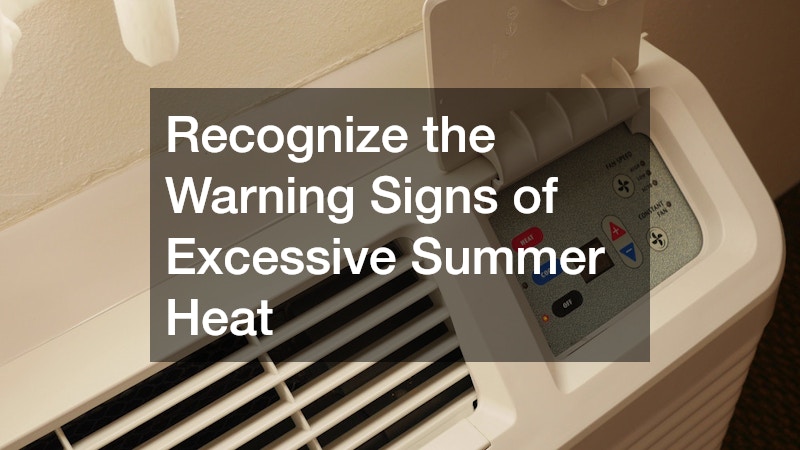
An attic that feels unbearably hot, even accounting for normal summer warmth, often signals that heat is being trapped due to poor ventilation or damaged roofing materials. This trapped heat does not stay contained either; it radiates downward into your living space and can spike cooling costs significantly during peak summer months. Persistent excessive heat can also accelerate the aging of your shingles from underneath, shortening their lifespan considerably.
- Attic temperatures more than 20 to 30 degrees above outdoor temperature
- Warped or curling shingles visible from the ground
- Noticeably higher energy bills during summer months
- A musty, baked smell when you first enter the attic
- Discoloration on the underside of the roof deck
Identify Cold Spots and Winter Moisture Problems
In colder months, an attic that feels unusually cold in some areas but damp or humid in others may indicate that warm, moist air from your home is escaping through gaps in the ceiling or roof deck. This moisture can condense on cold surfaces and lead to mold growth, wood rot, and even ice dams along your roofline. Ice dams are particularly damaging because they force water backward under shingles, creating leaks that can go unnoticed for months.
If you notice frost forming on the underside of your roof deck during winter inspections, this is a clear sign that ventilation and insulation are not working together properly. Addressing this early, sometimes through updated residential insulation company recommendations, can prevent long-term wood damage and costly repairs down the line.
Inspect for Roof Leaks and Water Intrusion Signs
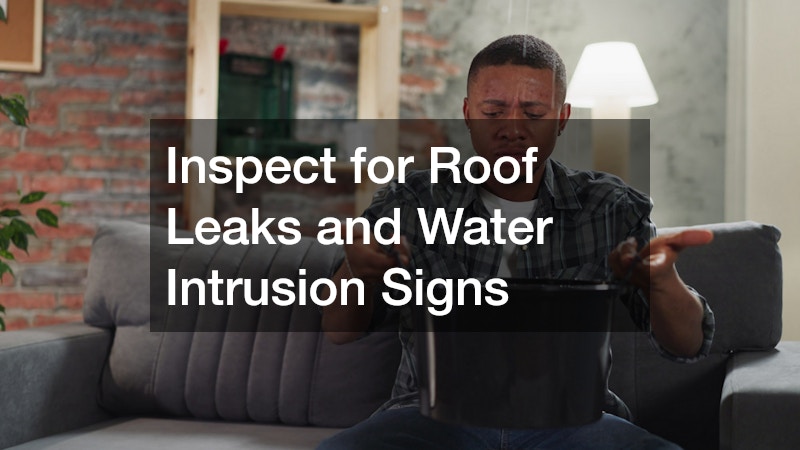
Water stains, dark streaks, or sagging areas on your attic’s insulation or wood framing are unmistakable signs that your roof is allowing moisture inside. These signs often appear gradually, so a quarterly attic check can help you catch a leak before it spreads to your ceiling or walls. Even a small, slow leak can lead to significant wood rot and mold growth if left unaddressed for an extended period.
- Dark streaks running down rafters or trusses
- Soft or sagging spots in the roof decking
- Visible mold or mildew on wood surfaces
- Rusted nails poking through the roof deck
- Standing water or puddling after rainstorms
Understand How Roof Age Affects Attic Temperature Patterns
As roofing materials age, their ability to reflect heat and shed water diminishes, which directly affects the temperature and humidity levels in your attic. A roof nearing the end of its expected lifespan, typically 20 to 25 years for asphalt shingles, is far more likely to develop small cracks and gaps that let outside air infiltrate. If your attic temperature readings have changed noticeably over the past year or two without any renovations, roof age could be the underlying cause.
Scheduling a professional evaluation from established roofing services can help determine whether your roof simply needs minor repairs or is due for a full replacement. These evaluations typically include a review of shingle condition, flashing integrity, and attic ventilation, giving you a complete picture of your roof’s remaining lifespan.
Evaluate Your Attic Insulation and Ventilation Balance
Insulation and ventilation work together as a system, and when one component fails, the entire attic environment becomes unstable. Too little insulation allows conditioned air to escape into the attic, while too little ventilation traps heat and moisture with nowhere to go. This imbalance shows up as erratic temperature readings that do not match seasonal norms.
Many homeowners find that upgrading to spray foam insulation resolves both problems simultaneously by sealing gaps and creating a more consistent thermal barrier throughout the attic space. Unlike traditional batt insulation, spray foam expands to fill small cracks and crevices that often go unnoticed during a standard inspection. This upgrade can also reduce the workload on your HVAC system, extending its lifespan and lowering monthly utility costs.
Check Roof Flashing and Seals for Hidden Gaps
Flashing around chimneys, vents, and skylights is one of the most common failure points on any roof, and damaged flashing often shows up first as a temperature or moisture irregularity in the attic below. Over time, sealant can crack, metal can corrode, and nails can work themselves loose, creating small gaps that let in outside air and water. These gaps rarely announce themselves with a dramatic leak right away, which is why attic temperature monitoring is such a useful early warning tool.
- Cracked or peeling sealant around roof penetrations
- Rust spots on metal flashing
- Gaps visible where flashing meets shingles
- Water stains directly beneath chimneys or vents
- Loose or missing fasteners along flashing edges
Recognize When Water Damage Extends Beyond the Roof

Sometimes attic moisture is not caused by the roof at all but rather by water intrusion around the foundation, siding, or exterior walls that eventually works its way upward through wall cavities and framing until it reaches the highest point in the house. This pattern is easy to misdiagnose, since a musty smell or damp insulation in the attic naturally draws attention upward when the real entry point may be several feet below ground level.
If you notice dampness in your attic alongside signs of moisture in your basement or crawlspace—efflorescence on foundation walls, a persistent musty odor, warped baseboards, or standing water after heavy rain—it may be time to consider comprehensive waterproofing services that address the entire building envelope rather than just the roof. Grading issues, clogged gutters that overflow near the foundation, and cracked masonry can all contribute to a slow-moving moisture problem that eventually shows up far from its actual source.
A whole-home evaluation ensures you are not chasing symptoms while missing the actual source of water intrusion. In many cases, this means coordinating roofing services with a separate foundation or drainage inspection, since a technician focused solely on shingles and flashing has no reason to check sump pump function or exterior grading. Treating the attic in isolation might buy temporary relief, but the moisture will likely return until every entry point along the building’s exterior has been identified and sealed.
Attic moisture doesn’t always originate at the roofline. Exterior siding that has warped, cracked, or pulled away from the wall creates gaps where wind-driven rain can slip behind the cladding, travel down the sheathing, and pool in wall cavities or migrate upward into the attic. Look for telltale signs like peeling paint, soft spots near window trim, or discoloration along the top of exterior walls, since these often point to a siding failure rather than a roofing one.
The material matters too. Fiber cement and wood siding can absorb moisture and swell, while vinyl siding tends to gap at the seams as it expands and contracts with temperature swings, both creating entry points that are easy to miss during a casual walk-around.
Reaching out to local siding services for an inspection can help determine whether your home’s exterior cladding is contributing to the moisture problems you are noticing upstairs. A trained inspector can check flashing around windows and doors, examine seams and corner joints, and use moisture meters to trace water intrusion back to its actual source, saving you from misdiagnosing the issue as a roof leak and paying for repairs that won’t solve the underlying problem.
Address Related Exterior Issues That Signal Bigger Problems
An attic temperature problem rarely exists in isolation, and homeowners often discover related exterior issues once they start investigating further. Settling around your foundation, for instance, can create gaps that let moisture seep into crawlspaces and eventually affect humidity levels throughout the home, including the attic. In these cases, concrete leveling can correct uneven slabs and walkways that are directing water toward your foundation instead of away from it.
Similarly, a malfunctioning garage door can allow drafts and moisture into an attached garage, which sometimes shares attic space or ventilation pathways with the rest of the house. Scheduling garage door repair alongside your roof inspection ensures that every entry point for outside air and moisture gets addressed at once. Taking this whole-house approach prevents you from solving one problem while another continues undermining your efforts.
Know When to Call in a Professional for a Full Inspection

While homeowners can catch many early warning signs on their own—like musty odors, visible water stains, or a noticeably hot attic in summer—a thorough inspection from a qualified local roofer provides a level of detail that is hard to achieve without specialized tools and training. Professionals use moisture meters, thermal imaging cameras, and structural assessments to identify problems that are not yet visible to the naked eye, such as trapped moisture within insulation or subtle temperature variations across the roof deck that signal ventilation gaps.
A good rule of thumb is to schedule a professional inspection at least once every two to three years, or immediately after severe weather events like hail storms, high winds, or heavy snow accumulation. Attics that consistently run more than 20 to 30 degrees hotter than the outside air temperature during summer months are also a strong signal that it’s time to bring in an expert, since this often points to failing insulation, blocked soffit vents, or degraded roofing materials.
This kind of detailed evaluation is especially valuable if your home is older, has never had a comprehensive roof inspection, or shows signs of sagging rafters, daylight peeking through the roof boards, or an unusual increase in energy bills. A licensed roofer can also check flashing around chimneys and skylights, areas particularly prone to leaks that homeowners often overlook. Catching these issues early can mean the difference between a simple repair and a costly full roof replacement.
Persistent temperature swings, musty odors, or visible staining on your attic decking are all signs it’s time to move beyond DIY checks and bring in a professional. A trained inspector has tools like infrared cameras and moisture meters that can detect problems invisible to the naked eye, including trapped moisture behind insulation or early-stage wood rot.
If you are researching options for residential roofing services, look for a provider who offers a written report detailing their findings rather than a verbal summary alone. A thorough report should include photos, temperature readings from different areas of the attic, and specific recommendations with estimated costs for any repairs.
A documented inspection gives you a clear reference point for tracking changes over time and provides useful information if you ever need to file an insurance claim. It also allows you to compare findings from one year to the next, which can help you catch slow-developing issues like ventilation gaps or shrinking insulation before they become major expenses.
When vetting roofing services, ask how often they recommend follow-up inspections and whether they offer any warranty on their diagnostic work. Reputable companies typically suggest annual attic checks, especially after severe weather events, to ensure small problems don’t turn into costly structural repairs.
- Ask whether thermal imaging is included, since it can reveal moisture and heat leaks invisible to the naked eye
- Request photos of any problem areas identified, ideally with location notes tying them to specific rafters or decking sections
- Get a written estimate for any recommended repairs, broken down by materials, labor, and timeline
- Confirm whether the inspection covers ventilation and insulation, not just shingles and decking
- Ask about warranty coverage on any repair work performed, including how many years and what voids it
- Verify the inspector’s licensing and insurance before scheduling any work
- Ask if they’ll check attic temperature differentials against outdoor readings to confirm airflow problems
Your attic’s temperature is a powerful diagnostic tool that can alert you to roof damage long before it becomes visible from inside your home. By paying attention to unusual heat, cold spots, moisture, or odors, you give yourself a head start on repairs that can save both money and stress down the road. Consider scheduling a professional inspection soon to get a clear, documented picture of your roof’s current condition. Taking action now is far easier and less costly than dealing with extensive water damage later.