Key Takeaways
- The actual tear-off and rebuild of a damaged roof usually wraps up in just a few days, but the full process from first inspection to final sign-off can stretch across several weeks.
- Insurance claims, adjuster visits, and material ordering are the biggest reasons homeowners wait so long between the storm and the first hammer swing.
- Weather, roof size, slope steepness, and the type of shingles chosen all directly affect how many days the crew spends on your home.
- Damage covering roughly a quarter or more of the surface typically pushes the job from a simple patch into a complete tear-off and rebuild.
- A reliable contractor will walk you through each phase, including inspection, paperwork, delivery, build, and final cleanup.
- Planning for delays and asking the right questions up front saves stress once work actually begins.
- Choosing experienced local crews often shortens the overall timeline because they know the permitting process and insurance workflow in your area.
When a big storm rolls through, your roof takes the hardest hit. Shingles rip loose, flashing bends, and sometimes hail leaves hidden dents that only a trained eye can spot. Most homeowners have no idea what to do next, and that’s completely normal.
The first thing to understand is that fixing storm damage is a process, not a single event. There are steps before the crew ever shows up, steps during the build, and steps after they pack up and leave. Each stage has its own timeline, and each one plays a role in how fast your home gets back to normal.
Think of it like going to the doctor. You don’t just walk in and get surgery that same hour. There’s a check-up, a diagnosis, paperwork, scheduling, and then the actual procedure. Your roof follows a similar path, and knowing that upfront makes the whole experience less stressful.
Why the Timeline Isn’t Just About the Build Day
A lot of people assume the clock starts the moment a contractor arrives with a truck full of shingles. In reality, the full timeline begins the day of the storm. Between that moment and the finished job, you’re dealing with inspectors, insurance adjusters, suppliers, and schedulers.
According to Big River Roofs, the physical build on a typical home only takes about one to two days, yet the entire journey from the storm hitting to the final walkthrough often lands somewhere between two and six weeks. That gap can surprise homeowners who expect everything to move quickly.
Here are the main phases that make up the full timeline:
- Initial inspection and damage report
- Insurance claim filing and adjuster visit
- Material selection and ordering
- Permit approval from your city or county
- Scheduling with the crew
- Tear-off, build, and cleanup
- Final inspection and sign-off
Each of these can move fast or slow depending on your area, your insurance company, and the time of year.
How Long Does the Rebuild Itself Really Take?
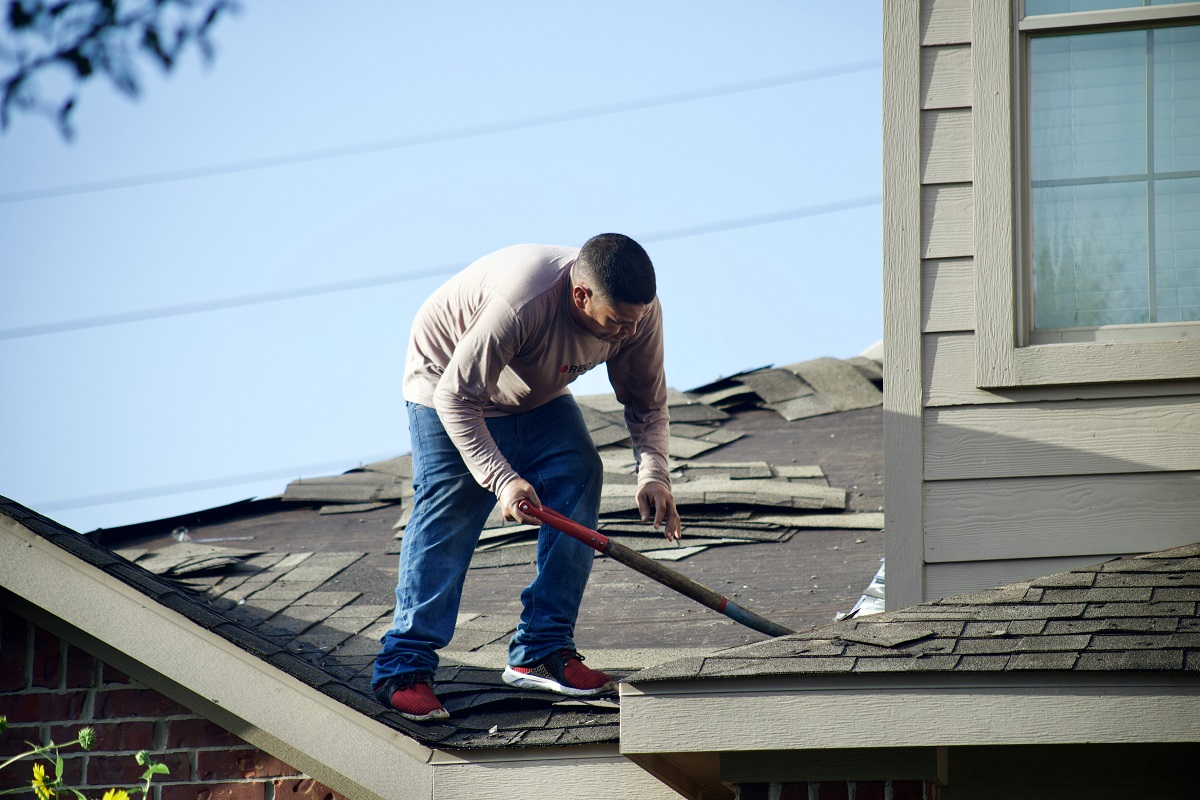
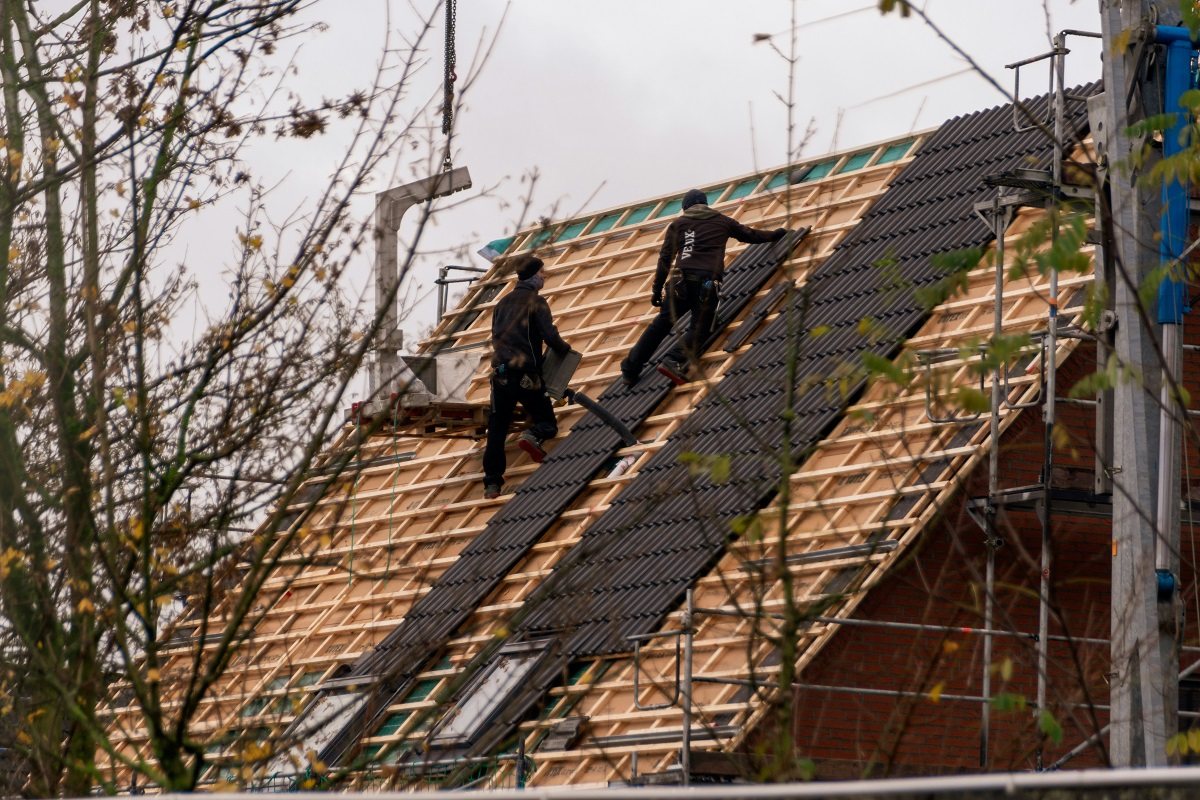
Once the paperwork clears and materials arrive, the actual labor goes quickly. A standard asphalt shingle job on an average-sized home can be finished before the week is out, often faster. Crews work from sunup to sundown and know exactly where each nail belongs. Most teams split into stations, with one group tearing off old shingles, another hauling debris, and a third laying down underlayment and fresh material right behind them. This assembly-line approach is a big reason why roof installation goes faster than most homeowners expect.
According to WGCC Inc., on-roof work usually runs between two and five days for a typical residential job after a storm. That range covers everything from smaller single-story homes to larger two-story houses with more complex rooflines. A simple ranch with one open plane might wrap up in a single long day, while a cut-up roof with multiple valleys, dormers, and skylights can easily stretch toward the back end of that window. Metal, tile, and slate installations fall into their own category and can take a week or more because each piece requires more precise placement.
What Slows the Crew Down Mid-Job
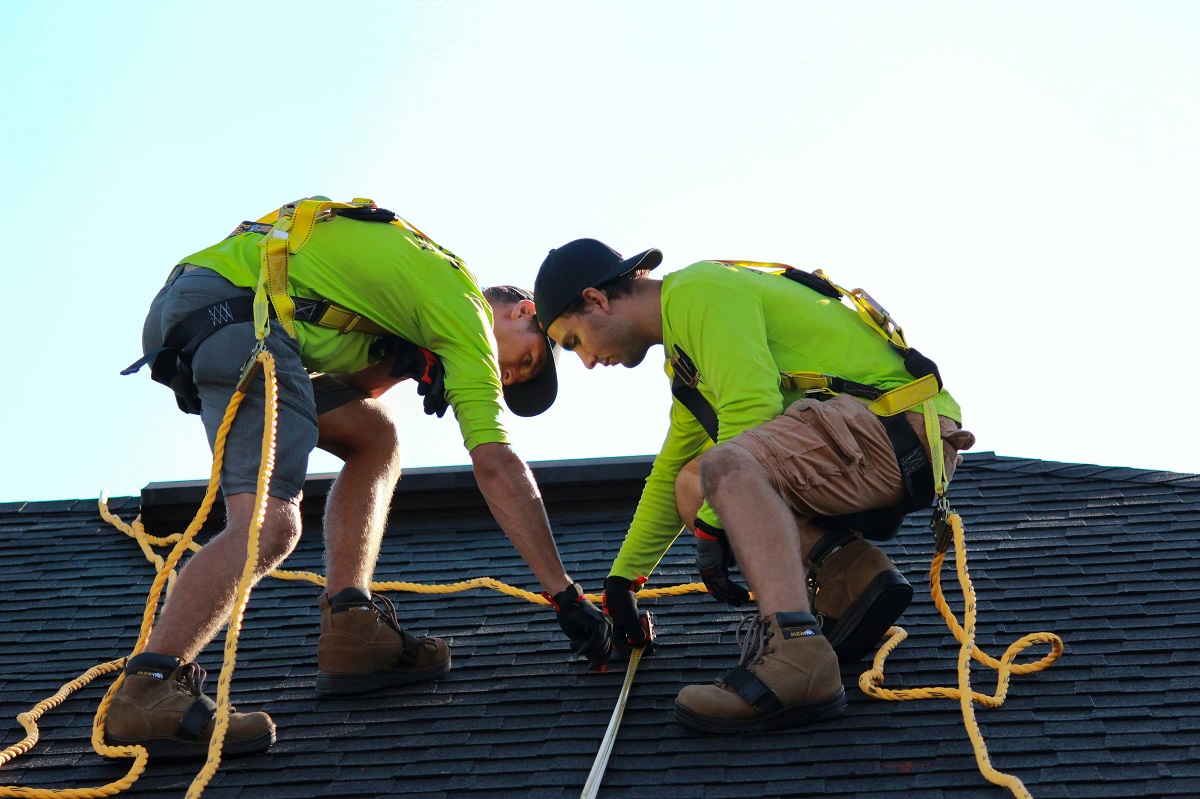
Even with a skilled team, a few things can push the end date back. Rain is the biggest one. Nobody can safely nail shingles on a wet deck, and most crews will pause work the moment the sky turns gray. Even after the rain stops, the decking usually needs several hours to dry before work can resume, which can turn a short shower into a lost half-day. Steep slopes also take longer because workers have to use extra safety gear, rig harnesses to anchor points, and move more carefully with every bundle they carry up the ladder.
Other common slowdowns include finding rotted wood under the old shingles, running out of a specific color of material, or needing an extra inspection because of hidden damage. Chimneys, satellite mounts, and old flashing often reveal surprises once the top layer comes off, and each one adds a small chunk of time to the schedule. Supply chain hiccups can also delay how long roof installation takes if a backordered ridge vent or matching shingle has to be shipped from another warehouse. A good contractor plans for these bumps, builds a day or two of buffer into the timeline, and keeps you updated as they happen so you are never left guessing when the crew will be back.
What Determines the Full Project Timeline
So if you’re wondering how long does roof installation take from start to finish, the honest answer is: it depends. The size of the house, the pitch of the roof, the materials chosen, and the weather all play a role. A simple ranch with asphalt shingles moves fast and can often be wrapped up in a single day. A tall two-story home with metal panels, clay tile, or cedar shake can stretch into a multi-day or even week-long project because every piece has to be handled more carefully and installed with specialty fasteners.
Labor hours add up quickly. According to Home Hero Roofing, a single-person crew averages around forty-six hours of work for a full roof build, while a basic repair only takes about three hours. Real crews have multiple workers, which cuts that labor time down significantly, but it still shows how much goes into a complete job compared to a small patch. A four- or five-person crew can compress those forty-six hours into a workday or two, but the total human effort doesn’t actually shrink — it just gets distributed. That’s also why pricing stays relatively consistent whether a job takes one long day or three shorter ones.
Here are the biggest factors that stretch or shrink the timeline:
- Square footage of the roof
- Number of layers that need to be removed
- Pitch and complexity of the design
- Material type (asphalt, metal, tile, wood)
- Number of chimneys, skylights, and vents
- Weather conditions during the scheduled week
- Accessibility of the property and where trucks and dumpsters can be staged
- Condition of the decking underneath once the old roof is torn off
If your home has multiple dormers, valleys, or a cut-up design, expect extra time compared to a simple gable roof. Every valley has to be flashed properly, every dormer requires custom cuts around its edges, and every penetration — from plumbing boots to satellite mounts — slows the crew down. Steep pitches also require harnesses and extra safety setup, which eats into productive hours. And if the tear-off reveals rotted decking or damaged rafters, that repair work gets added to the roof installation schedule before any new shingles can go down, sometimes adding a full day or more to the project.
Repair, Replace, or Full Tear-Off?
Not every storm calls for a brand-new roof. Sometimes a handful of shingles need swapping and the job wraps up before lunch. Other times the whole thing has to come off. Knowing the difference helps you set realistic expectations.
According to Michaeli’s Corp, a full replacement is usually required once damage covers more than twenty-five to thirty percent of the surface. Below that threshold, targeted repairs often do the job. Your contractor and insurance adjuster usually agree on this split during the inspection stage, and if you want to understand how the overall exterior protection fits together, learning how to install gutters and roofing as a system can help you make smarter choices during the rebuild.
How to Tell Which Path You’re On
A quick visual check tells you a lot. If damage is concentrated in one small area, a repair is likely. If shingles are missing across multiple slopes, if the decking is soft in several spots, or if hail has peppered the entire surface, a full roof installation is probably in your future.
Keep in mind that insurance companies have their own standards. Even if a repair seems possible, the adjuster might approve a full replacement because matching old shingles is difficult or because codes have changed since the original build.
What You Can Do to Keep Things Moving
You have more control over the timeline than you might think. The homeowner’s choices during the first week after a storm can shave days or even weeks off the entire process. Being organized and quick to respond makes a huge difference.
Here is a short list of actions that genuinely speed things up:
- Call a reputable contractor for an inspection within forty-eight hours
- File your insurance claim as soon as damage is confirmed
- Take clear photos of all damage before any temporary repairs
- Keep receipts for emergency tarping or minor fixes
- Respond quickly to any paperwork from your insurer
- Choose your shingle color and style the day the quote is approved
Delays almost always come from waiting on decisions. The sooner you lock in your choices, the sooner the crew can be scheduled.
Picking the Right Contractor Matters
Not every roofer handles storm work well. Look for someone local, licensed, and experienced with insurance claims. A contractor who has been throughdozens of claims in your region will know the local adjusters, the permit office, and which suppliers can deliver fast. That network alone can trim a week off your wait.
Ask any candidate a few direct questions before signing. How soon can they start? Do they handle the insurance paperwork or leave it to you? What happens if rain hits mid-job? Who cleans up the nails and debris? Clear answers up front mean fewer surprises later.
Red flags to watch for include door-knockers who show up right after the storm with no local address, contractors who demand full payment before any work begins, and anyone who pressures you to sign before the adjuster has even visited. Honest crews are patient because they know the process takes time.
Realistic Week-by-Week Expectations
Setting the right mental timeline helps you stay calm while everything plays out. Most storm-damaged homes follow a rhythm that looks something like this, though every situation varies.
- Week one: inspection, claim filed, adjuster scheduled
- Week two: adjuster visit, scope agreed, contract signed
- Week three: materials ordered, permit pulled, crew slotted in
- Week four: tear-off, build, cleanup, final walkthrough
Some homeowners move through all four stages in under three weeks. Others, especially after a major regional storm when every roofer in town is booked solid, might wait six or eight weeks before the crew arrives. Supply shortages after widespread hail events can also stretch things further, since shingle manufacturers prioritize their biggest buyers first.
Seasonal Timing Plays a Role Too
Spring and early summer are peak storm season across much of the country, which also means peak demand. If your damage happens in April or May, expect longer waits than someone whose roof was hit in October. Winter work is possible in milder climates but gets tricky once temperatures drop too low for shingles to seal properly.
Scheduling flexibility helps. If you can accept the first available slot rather than waiting for a specific day, you’ll usually get on the calendar sooner.
Closing Thoughts
Storm damage recovery is rarely as fast as homeowners hope, but it’s also rarely as slow as the worst stories make it sound. The actual rebuild on your home happens in a matter of days once everything lines up. What stretches the calendar is the paperwork, the inspections, the material orders, and the scheduling that all have to click into place before a single shingle gets torn off.
Knowing the full picture ahead of time changes everything. When you understand that two to six weeks is normal, you stop panicking at week two and start focusing on what you can control. Quick responses, organized documentation, and a trustworthy local crew will always beat frustration and rushed decisions.
Your roof protects everything underneath it, so taking the time to do the job right matters more than shaving a few days off the schedule. Pick a contractor you trust, ask smart questions, stay in touch with your insurance company, and let the process work. Before long, your home will be back to normal and the storm will be nothing more than a story you tell neighbors over coffee.